
SV and IP stations: the pipeline infrastructure that keeps gas safe
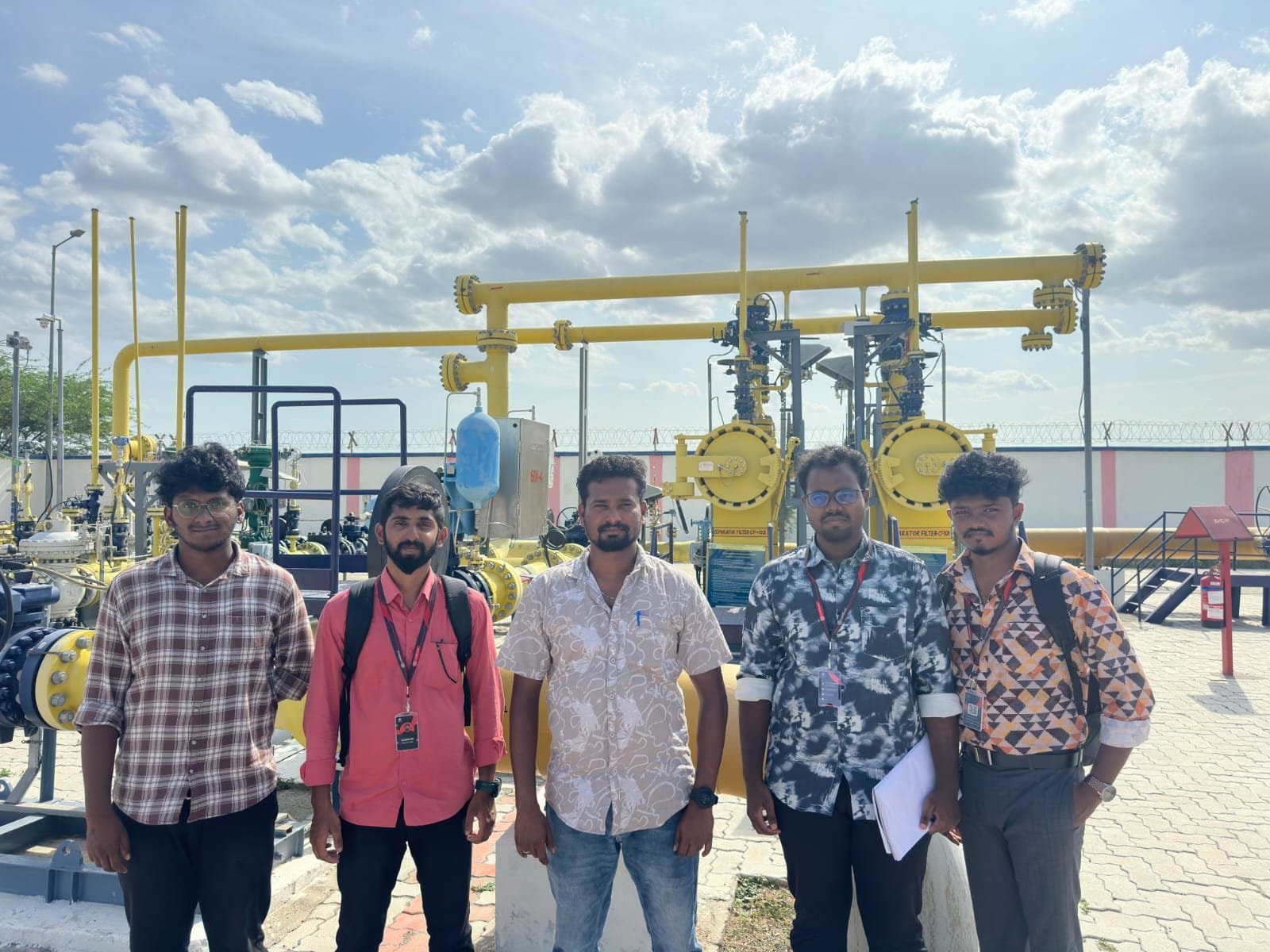
Sectionalizing Valve (SV) stations and Intermediate Pressure Regulation (IP) stations are the unsung infrastructure that keeps gas pipeline networks safe, balanced, and running - seen firsthand during LeakSonic's field visit with Indian Oil Corporation.
In short
Sectionalizing Valve (SV) stations and Intermediate Pressure Regulation (IP) stations are two distinct, essential parts of how a gas transmission pipeline network stays safe. An SV station provides localised emergency isolation; an IP station filters, regulates, and balances gas supply while running layered leak-detection, automatic tripping, and cathodic protection systems. LeakSonic's team saw both firsthand during a field visit with Indian Oil Corporation in Ramanathapuram.
Key takeaways
- SV (Sectionalizing Valve) stations provide localized emergency isolation capability along a pipeline network - a focused, single-purpose safeguard.
- IP (Intermediate Pressure Regulation) stations filter, regulate, and balance gas supply from multiple sources, incorporating leak detection, automatic tripping, and solar-powered cathodic protection systems.
- Layered redundancy - automatic protection backed by human verification and manual fallback - is a core safety design principle across this infrastructure, not an afterthought.
What we saw in the field
Understanding a pipeline network means understanding more than just the pipe itself. During our field visits with Indian Oil Corporation, we had the opportunity to walk through both a Sectionalizing Valve (SV) station and an Intermediate Pressure Regulation (IP) station - two very different, and equally essential, parts of how a gas transmission network actually stays safe.
An SV station's role is comparatively focused: it houses an emergency sectionalizing valve, capable of isolating a section of pipeline quickly if a problem is ever detected. Simple in concept, but critical in function - it's one of several deliberate layers of protection built into how these networks operate.
The IP station, by contrast, is where things get genuinely complex. This is where gas arriving from different points in the network is filtered, pressure-regulated, and balanced to meet downstream demand reliably and safely. We saw pressure-regulation equipment, multiple layers of leak-detection instrumentation, automatic tripping systems, and - perhaps most interestingly - a cathodic protection system partially powered by solar energy, converting sunlight into the steady current needed to protect buried steel from corrosion around the clock.
What struck us most was the sheer redundancy built into every layer of this system. Automatic protection is never the only line of defence - there is always a human verification step behind it, and often a manual fallback behind that. It's a design philosophy that prioritizes safety through layers, not shortcuts, and it's something we're carrying directly into how we think about building technology for this space: never as a replacement for existing safeguards, only ever as an additional layer of insight on top of them.
Our sincere thanks to Mugesh, Engineering Assistant, who spent an entire day walking us through these stations in the field, patiently explaining complex systems to two people encountering this industry for the very first time. Visits like this are exactly why we believe real field learning is irreplaceable - no amount of reading prepares you for standing in front of the actual infrastructure and understanding, firsthand, just how much thought and engineering discipline goes into keeping it running safely every single day.
Thanks again to Indian Oil Corporation for the opportunity, and to our LeakSonic team for making these visits possible.
SV stations vs. IP stations, side by side
| SV station | IP station | |
|---|---|---|
| Primary role | Emergency isolation of a pipeline section | Filtering, pressure regulation, and supply balancing |
| Typical equipment | Sectionalizing valve, actuator | Pressure regulators, filters, leak-detection instrumentation, automatic tripping systems, cathodic protection |
| Complexity | Comparatively simple, single-purpose | Substantially more complex, multi-system |
| Failure response | Rapid manual or remote isolation | Automatic tripping, backed by human verification |
Why this matters for inspection and integrity technology
SV and IP stations are exactly the kind of infrastructure that rarely gets discussed outside operator circles, yet they are where a meaningful share of a network's real-time safety behaviour actually lives - not just the pipe between them. Any inspection or monitoring technology that treats a pipeline network as a uniform, homogeneous asset is missing where risk and protection are actually concentrated: at these station points, at valves, at regulation and metering equipment, and at the cathodic protection systems that keep buried steel from corroding between them.
This is part of why risk-based inspection exists as a discipline - not every metre of pipeline carries the same risk profile, and station infrastructure like this is where a serious integrity programme concentrates disproportionate attention. It's also a direct, concrete example of the kind of documented, auditable system PNGRB's Integrity Management System expectations are built around.
Related reading
This visit was part of a broader multi-day field engagement across IOCL and GAIL infrastructure in Ramanathapuram - see our flagship visit and Sentrix presentation at IOCL's Southern Regional Pipeline division, our visit to an active GAIL pipeline construction site, the role of the Line Security Man in pipeline patrolling, and how cathodic protection test lead points work.
Questions this raises
Last updated: 2 August 2026
LeakSonic Research. "SV and IP stations: the pipeline infrastructure that keeps gas safe." LeakSonic Private Limited, 2026. https://leaksonic.com/blog/sv-ip-stations-pipeline-pressure-regulation
<a href="https://leaksonic.com/blog/sv-ip-stations-pipeline-pressure-regulation" target="_blank" rel="noopener">SV and IP stations: the pipeline infrastructure that keeps gas safe</a> - via LeakSonic
Related reading
View all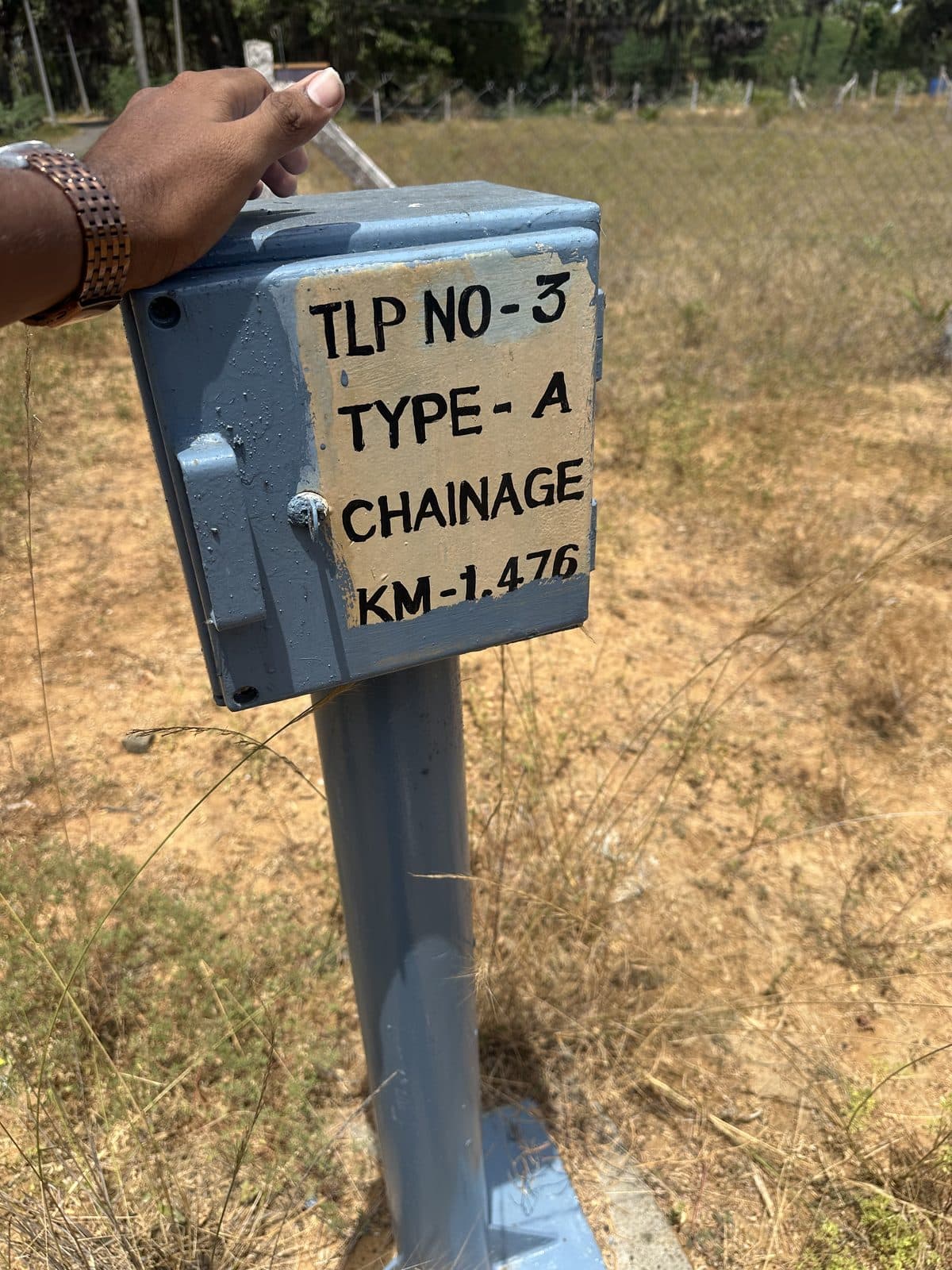
What are cathodic protection test lead points, and why they matter
What are cathodic protection test lead points, and why do they matter? A look at how underground pipelines are protected from corrosion - and monitored - decades after they are buried, seen firsthand during LeakSonic's field visit with Indian Oil Corporation.
Where does your inspection programme sit on the path to measurement-based reporting?
The shift from estimated to measured methane reporting under frameworks like OGMP 2.0 is well underway, but most operators have no quick way to see where their own workflow currently sits on that path. We built a free five-question Integrity & Methane Reporting Readiness Assessment to give a directional answer in under two minutes.
Gas leak detection methods: a complete overview from handheld sniffers to satellites
Gas leak detection spans a spectrum of methods that trade off sensitivity, coverage, and cost: handheld and vehicle-mounted surveys detect small leaks precisely but cover ground slowly; fixed sensors watch one point continuously; aerial methods screen long corridors quickly at moderate sensitivity; and satellites cover everything but only see large emitters. No single method wins on all three axes - which is why serious leak detection programs are built as layered systems, with each layer directing the next.