
On-site with GAIL: learning pipeline construction at the L&T Bypass
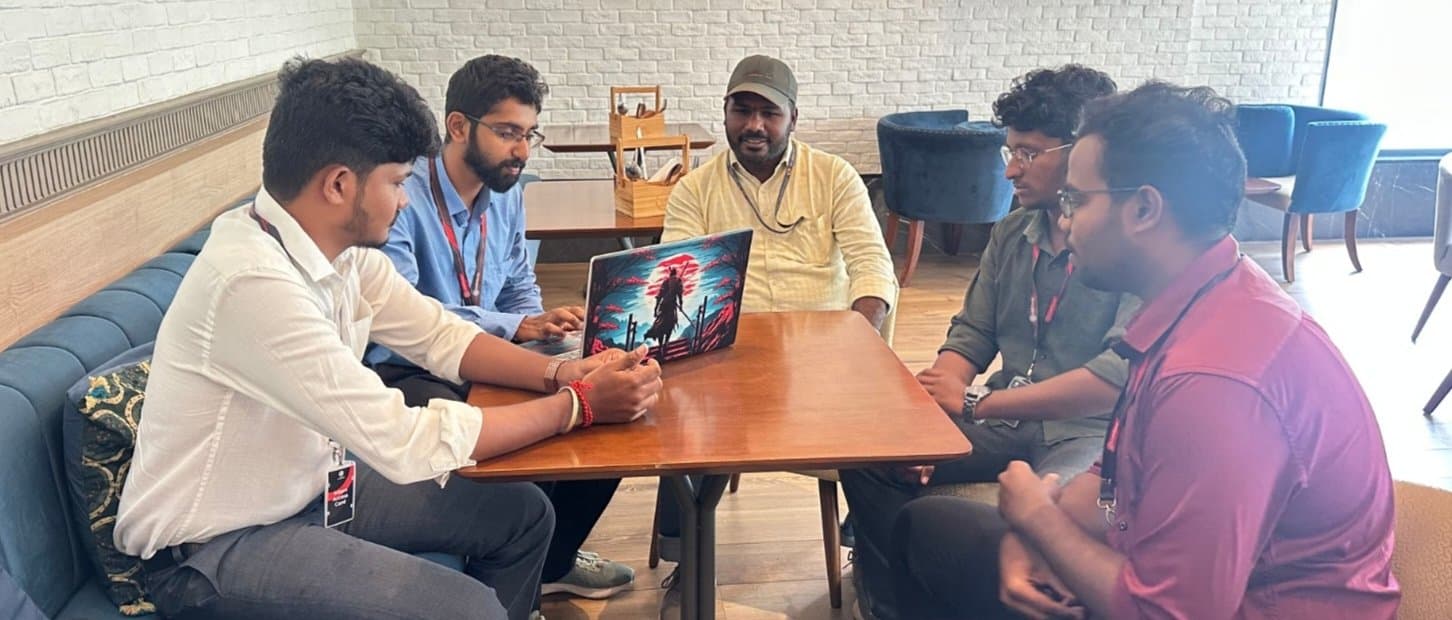
LeakSonic's team visited an active pipeline construction site along the Larsen & Toubro Bypass project, learning directly from GAIL (India) Limited Senior Manager Ashwin Kumar A. about real-world pipeline construction, HDD drilling, and commissioning.
In short
LeakSonic's team visited an active pipeline construction site along the Larsen & Toubro (L&T) Bypass project - a joint effort involving Indian Oil Corp Limited, GAIL (India) Limited, and Engineers India Limited - and learned directly from GAIL Senior Manager Ashwin Kumar A. about how pipelines are actually laid, drilled, tested, and commissioned in the field.
Key takeaways
- LeakSonic observed live Horizontal Directional Drilling (HDD) pipeline construction on a joint IOCL-GAIL-Engineers India Limited project along the L&T Bypass.
- GAIL Senior Manager Ashwin Kumar A. shared direct field insight into construction, inspection, testing, and commissioning practices ahead of a pipeline entering service.
- The visit deepened LeakSonic's ground-level understanding of how large pipeline infrastructure projects are actually built - knowledge that directly informs how Sentrix should fit into an operator's existing workflow, not around it.
Meeting Ashwin Kumar A. at the L&T Bypass site
One of the most memorable experiences during our recent field visits was meeting Ashwin Kumar A., Senior Manager at GAIL (India) Limited, while understanding the ongoing pipeline construction along the Larsen & Toubro Bypass project.
Over the past few days, we had the opportunity to observe how pipelines are laid, how HDD drilling and construction activities are carried out, and the inspections and testing involved before a pipeline is commissioned. Since this project involves collaboration among Indian Oil Corp Limited, GAIL (India) Limited, and Engineers India Limited, it gave us an invaluable opportunity to understand the realities of large-scale pipeline infrastructure from the ground up.
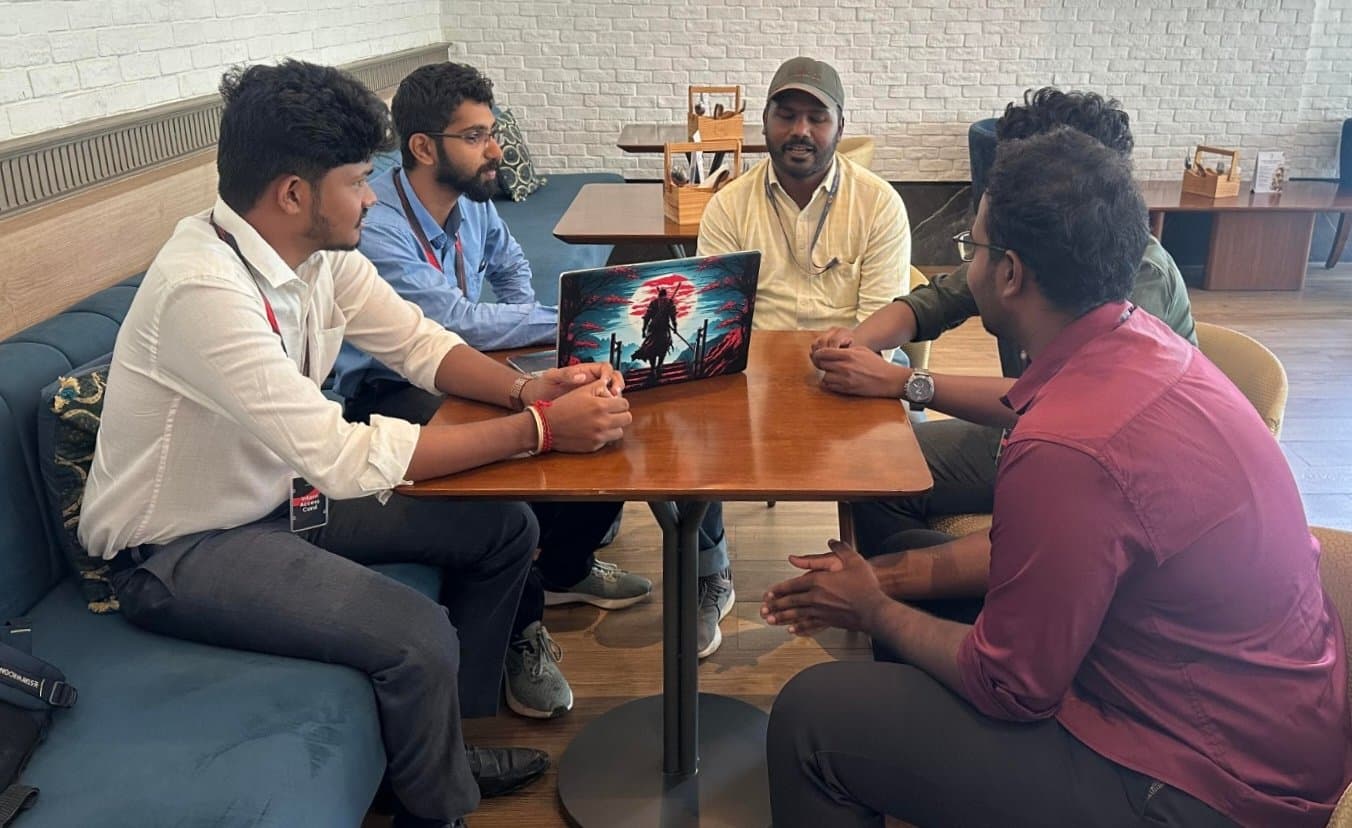
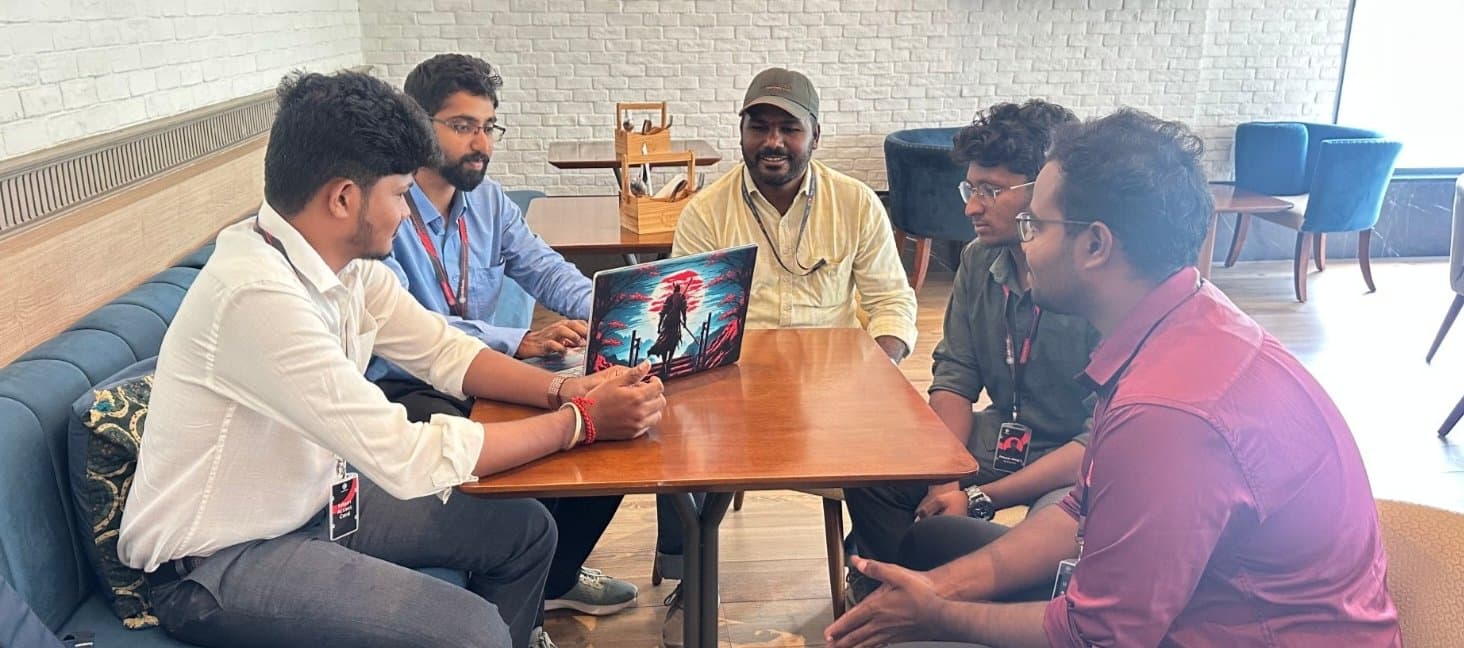
We also had the opportunity to present Sentrix by LeakSonic and discuss our ideas. What stood out wasn't just his technical knowledge - it was his humility, patience, and willingness to genuinely listen. In just one conversation, he helped us understand complex engineering concepts, shared practical insights from the field, and encouraged us to keep exploring. The kindness and respect with which he treated us as student founders is something we'll always remember.
Thank you, Ashwin Kumar A., for your time, your guidance, and your encouragement. Conversations like these remind us that behind every great infrastructure project are experienced professionals who are always willing to help the next generation learn.
A sincere thanks to all organizations for giving us the opportunity to learn from real-world operations and understand the complexities of pipeline engineering firsthand.
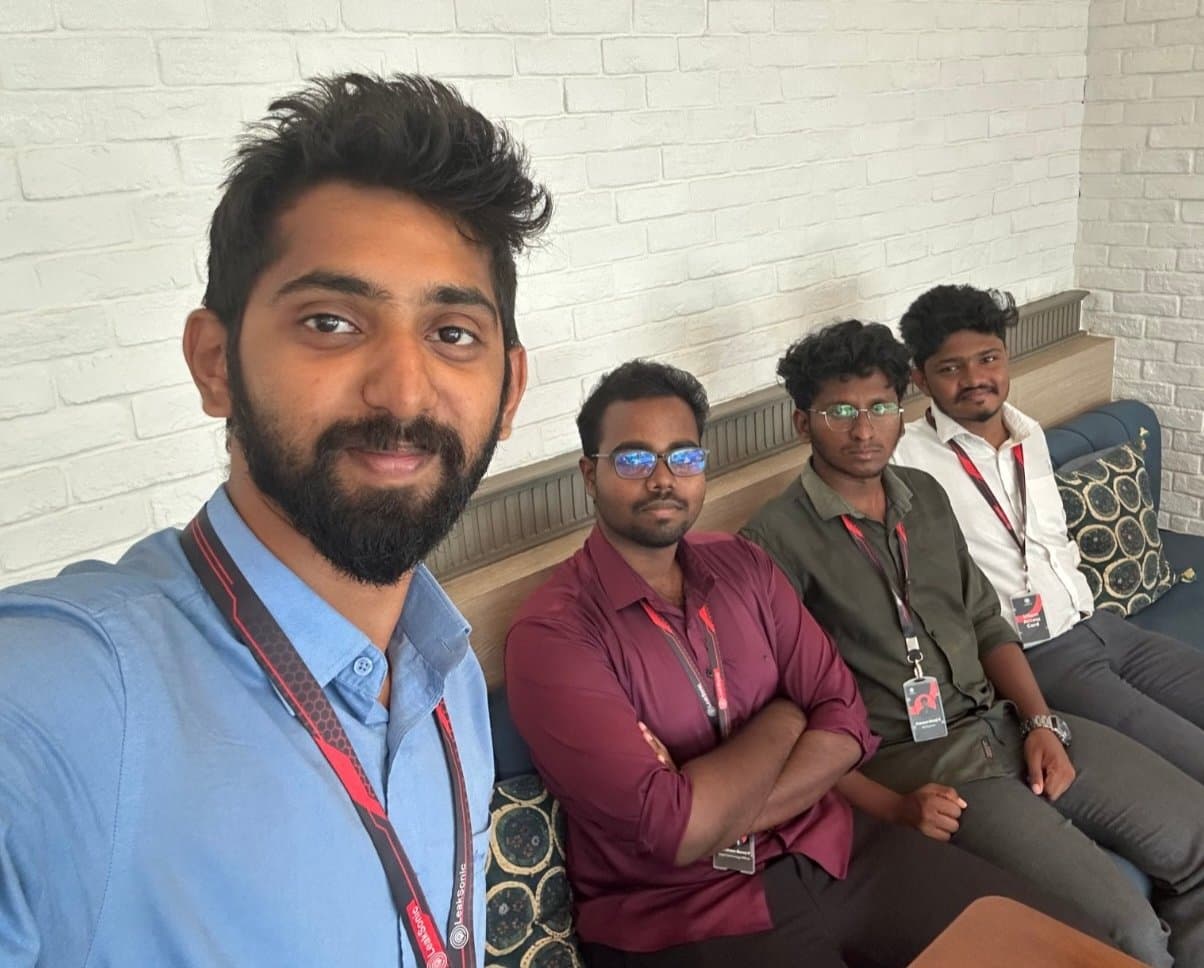
Finally, thanks to our incredible team at LeakSonic - Praveen Balaji S, Gershom Benni P, Tamil Selvan RD, Vishal Pranith, and Afeefa Nasnin A - for their dedication and relentless effort. Every field visit, every discussion, and every lesson brings us one step closer to building better solutions.
Why construction-stage understanding matters for integrity technology
Most conversations about pipeline integrity technology start after a pipeline is already in service - inspection, monitoring, corrosion management. Seeing a segment before it exists, while it is still being drilled, laid, and tested, filled in a different part of the picture: how a pipeline's initial condition, weld quality, and as-built records are established in the first place, and how much of an operator's later integrity confidence depends on getting that baseline right.
For a company building software and hardware meant to sit inside an operator's existing integrity workflow, that context matters. Understanding construction-stage rigor - the multiple organisations, inspection stages, and sign-offs involved before a segment is ever commissioned - is part of understanding why operators are, correctly, cautious about any new technology touching that workflow. Trust has to be earned at every stage, not assumed at any of them.
Related reading
This visit was part of a broader multi-day field engagement across IOCL and GAIL infrastructure in Ramanathapuram - see our flagship visit and Sentrix presentation at IOCL's Southern Regional Pipeline division, what we learned about SV and IP stations, the role of the Line Security Man in pipeline patrolling, and how cathodic protection test lead points work. For more on how inline and surface inspection methods complement each other once a pipeline is in service, see inline inspection vs. aerial and surface inspection.
Questions this raises
Last updated: 2 August 2026
LeakSonic Research. "On-site with GAIL: learning pipeline construction at the L&T Bypass." LeakSonic Private Limited, 2026. https://leaksonic.com/blog/gail-pipeline-construction-visit-ashwin-kumar
<a href="https://leaksonic.com/blog/gail-pipeline-construction-visit-ashwin-kumar" target="_blank" rel="noopener">On-site with GAIL: learning pipeline construction at the L&T Bypass</a> - via LeakSonic
Related reading
View all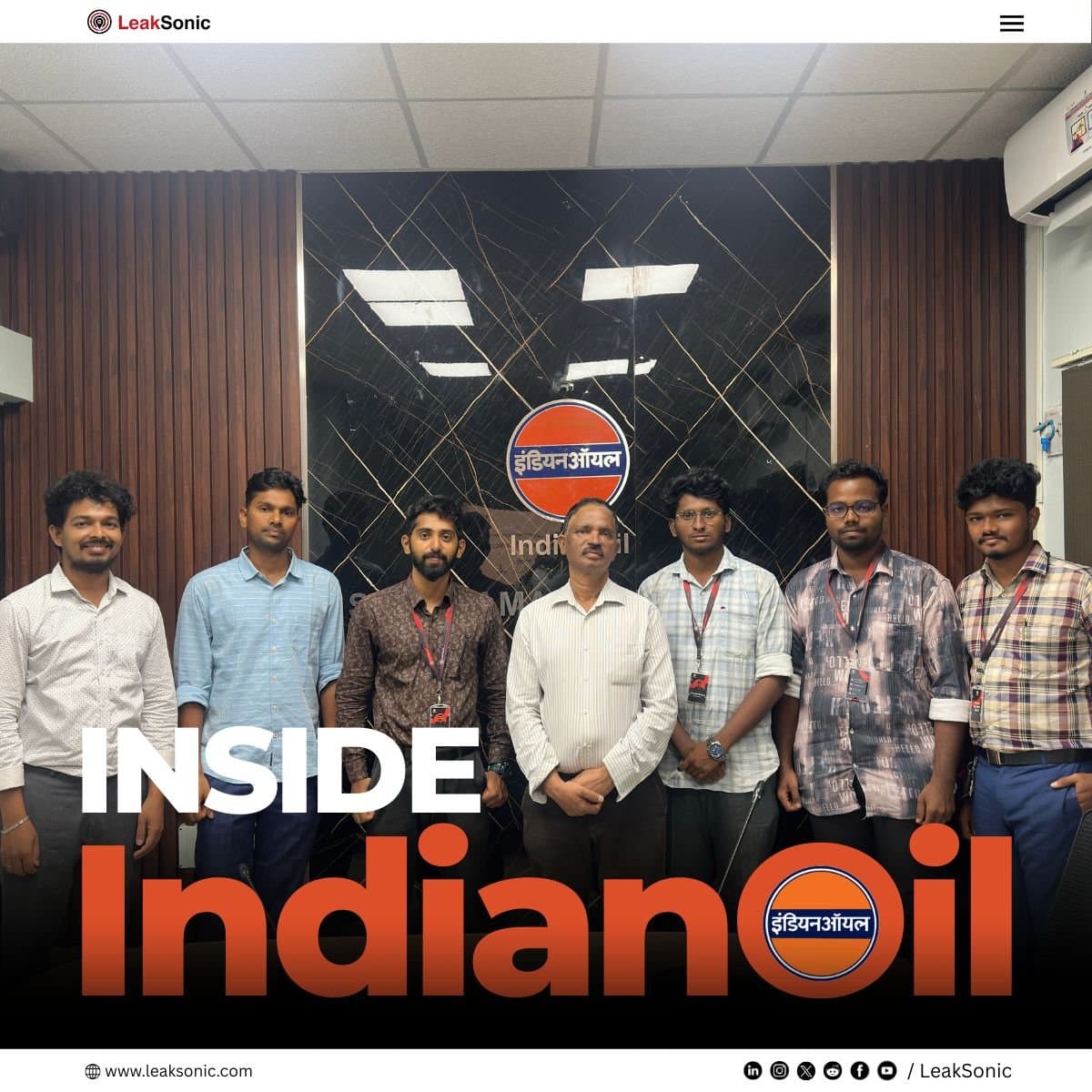
Inside Indian Oil: presenting Sentrix to IOCL Southern Regional Pipeline
LeakSonic's founding team met with Indian Oil Corporation's Southern Regional Pipeline (SRPL) division in Ramanathapuram to present Sentrix, our pipeline integrity intelligence platform - and came away with real engineering validation and a path toward field testing.
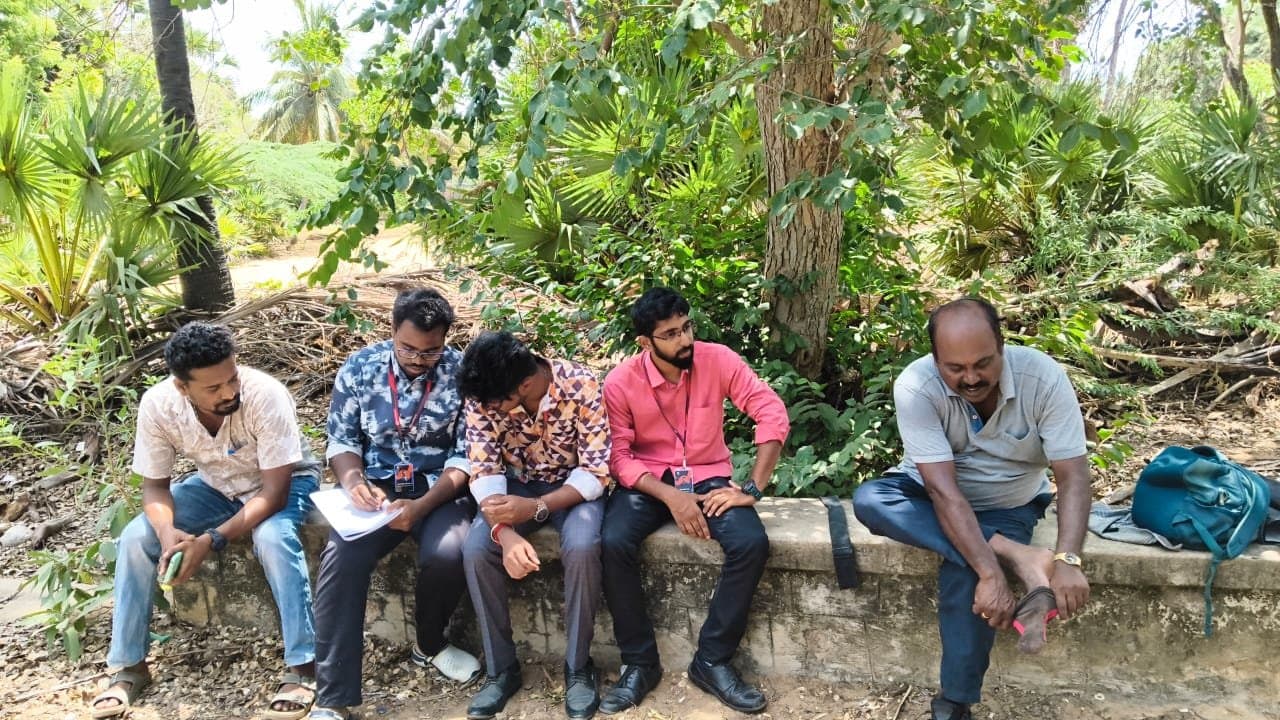
What a Line Security Man actually does on pipeline patrol
Understanding the vital, often-overlooked role of the Line Security Man (LSM) in keeping India's pipeline right-of-way corridors safe, monitored, and connected to local communities - learned firsthand during LeakSonic's field visit with Indian Oil Corporation.
A founder's guide to deep-tech grant programs for energy infrastructure startups in India
Beyond the oil-and-gas-specific PSU programs, India runs a broader set of deep-tech and dual-use grant and incubation schemes - NIDHI-PRAYAS, iDEX, MSME innovative schemes, Smart India Hackathon, and DPIIT recognition under Startup India - that an energy-infrastructure hardware-and-software startup should know exist, even if not every one is the right fit at every stage.