
Cathodic protection explained: how it prevents pipeline corrosion
Cathodic protection prevents corrosion on buried steel pipelines by making the whole pipeline electrically negative relative to the surrounding soil, so it becomes the cathode rather than the anode of any electrochemical cell that forms - and cathodes do not corrode. It works alongside protective coating rather than instead of it, and its effectiveness is verified through pipe-to-soil potential readings taken at test posts along the route.
Cathodic protection prevents corrosion on buried steel pipelines by making the whole pipeline electrically negative relative to the surrounding soil, so it becomes the cathode rather than the anode of any electrochemical cell that forms - and cathodes do not corrode. It is the single most important corrosion-control technology on buried oil and gas infrastructure, and it works as a paired system with protective coating rather than as a replacement for it. This explainer covers how it actually works, the two main system types, and how operators verify it is doing its job.
Why does steel corrode in soil in the first place?
Corrosion is an electrochemical process. When bare steel sits in moist soil, tiny variations in the metal, the coating, or the soil chemistry create localised anode and cathode regions on the same pipe surface. At the anode regions, iron atoms give up electrons and dissolve into the soil as ions - this is corrosion, physically the metal disappearing into solution. Current flows through the soil from anode to cathode to complete the circuit. Left alone, this process will eventually eat through the pipe wall.
How does cathodic protection stop this?
Cathodic protection interrupts that circuit by artificially driving current onto the entire pipeline from an external source, so the pipe surface is pushed to a electrical potential where the anodic (metal-dissolving) reaction cannot occur anywhere on its surface. Practically, the whole pipeline becomes the cathode of a new, controlled circuit, and the current that used to flow off the pipe (causing corrosion) is instead held back, or reversed, everywhere along the protected length.
Sacrificial anode systems
In a sacrificial anode system, a more electrochemically active metal - typically zinc, magnesium, or aluminium alloy - is buried near the pipeline and wired to it. Because that metal is more reactive than steel, it takes on the role of anode in the circuit and corrodes in the pipeline's place, essentially sacrificing itself. These systems are simple, need no external power, and are common on shorter pipeline sections or where power is unavailable, but the current they can deliver is limited by the anode's own electrochemical driving force, which constrains how much pipeline a given anode bed can protect.
Impressed current systems
Impressed current cathodic protection instead uses a rectifier - a device that converts AC power into a controlled DC current - to actively drive current from a dedicated anode bed to the pipeline. Because the current output is not limited by a natural electrochemical potential difference, impressed current systems can protect much longer pipeline sections from a single installation, which is why they are the standard choice for long-distance transmission pipelines. The trade-off is that they need a power supply and ongoing rectifier maintenance, and a rectifier fault can silently remove protection from a long stretch of pipeline until it is caught.
How operators verify cathodic protection is actually working
Cathodic protection is not something you install and then assume works forever - it has to be measured. The standard verification method is a pipe-to-soil potential reading, taken with a voltmeter between the pipeline and a reference electrode (commonly copper-copper sulphate) placed in the soil directly above it. Industry criteria - most widely, a potential more negative than -850 millivolts against that reference electrode - define the threshold for adequate protection. Readings are traditionally taken at fixed test posts spaced along the route, typically surveyed once or twice a year.
That periodic cadence is the structural weakness in how cathodic protection has historically been monitored: a rectifier fault or a stray-current interference event that occurs the day after an annual survey can go undetected for up to a year. This is the same category of blind-window problem that motivates continuous or more frequent monitoring approaches across pipeline integrity more broadly - a well-designed protection system is only as good as how promptly its failure is caught. It's also the specific gap behind Corvex, an early-stage, continuous ground-based CP monitoring concept we're exploring alongside our main work on Sentrix.
How cathodic protection fits into the broader integrity picture
Cathodic protection addresses one specific threat - electrochemical external corrosion - out of the several threats a pipeline integrity management program has to track, alongside internal corrosion, mechanical damage, and manufacturing defects. It works purely on the buried, electrochemical side of the problem and has no visibility into surface conditions such as encroachment, ground movement, or vegetation stress on the right-of-way above the pipe - which is why a complete integrity picture combines CP data with surface and above-ground observation rather than relying on any single monitoring method alone.
Questions this raises
Last updated: 8 July 2026
LeakSonic Research. "Cathodic protection explained: how it prevents pipeline corrosion." LeakSonic Private Limited, 2026. https://leaksonic.com/blog/cathodic-protection-explained
<a href="https://leaksonic.com/blog/cathodic-protection-explained" target="_blank" rel="noopener">Cathodic protection explained: how it prevents pipeline corrosion</a> - via LeakSonic
Related reading
View all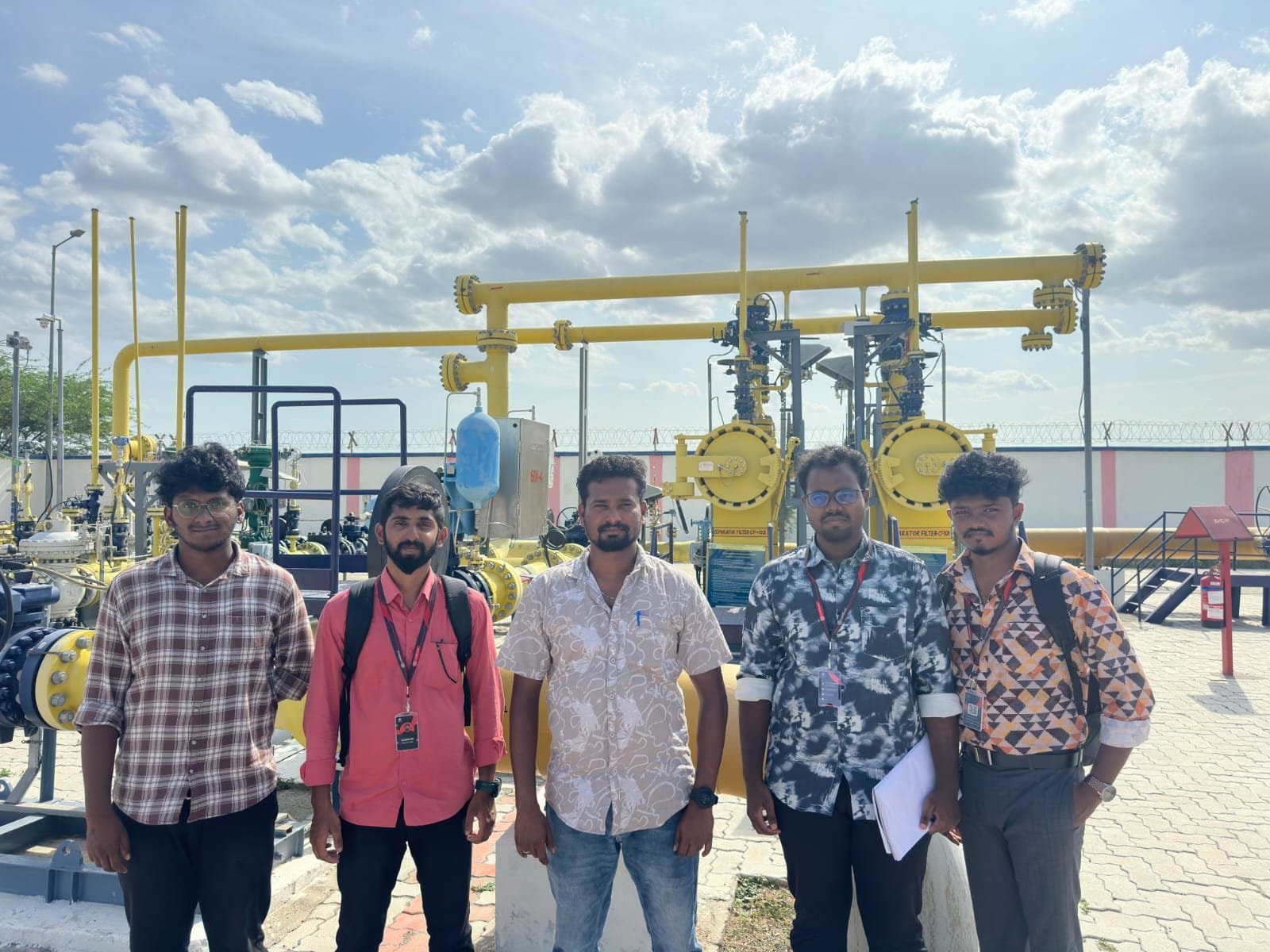
SV and IP stations: the pipeline infrastructure that keeps gas safe
Sectionalizing Valve (SV) stations and Intermediate Pressure Regulation (IP) stations are the unsung infrastructure that keeps gas pipeline networks safe, balanced, and running - seen firsthand during LeakSonic's field visit with Indian Oil Corporation.
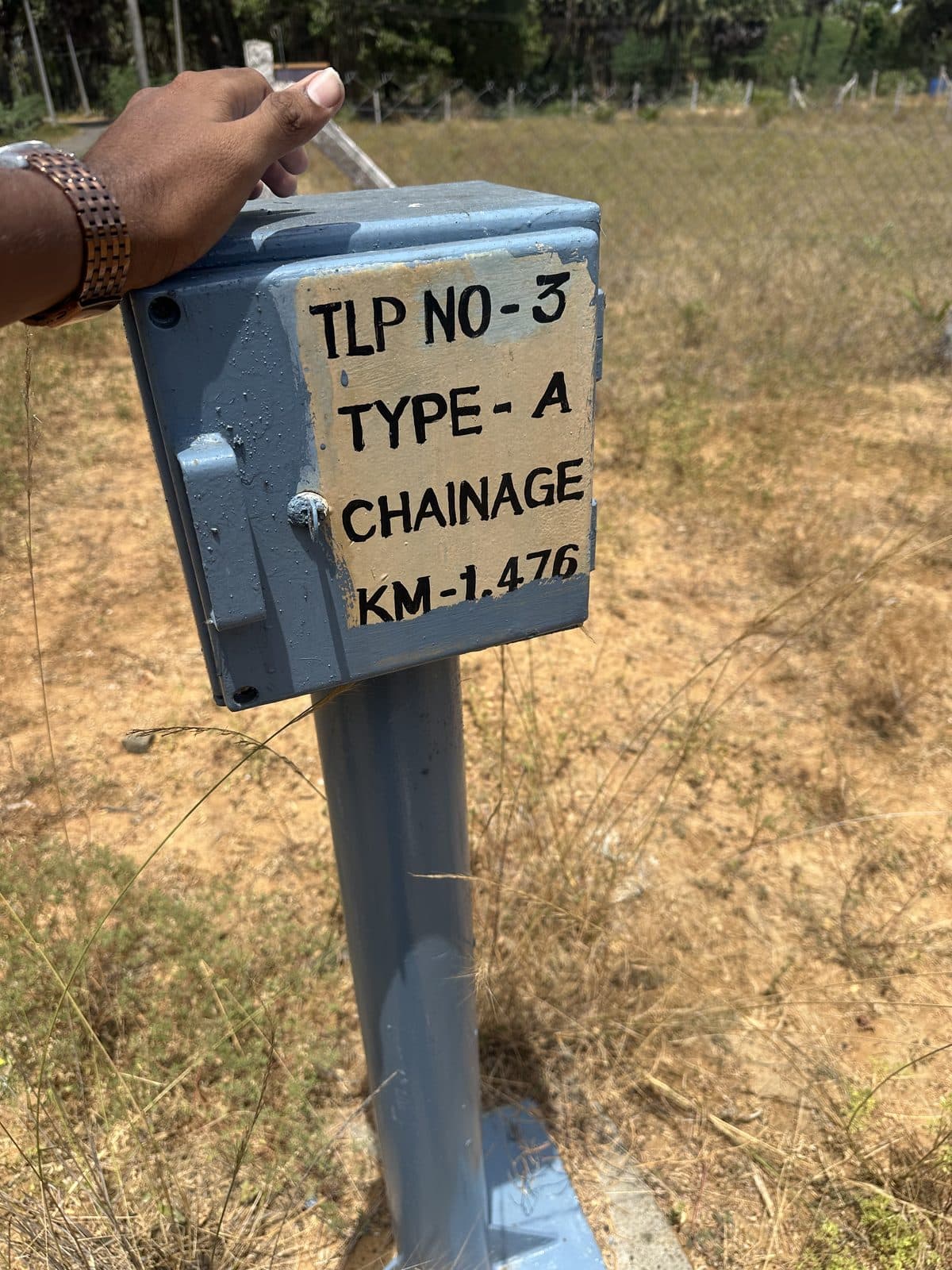
What are cathodic protection test lead points, and why they matter
What are cathodic protection test lead points, and why do they matter? A look at how underground pipelines are protected from corrosion - and monitored - decades after they are buried, seen firsthand during LeakSonic's field visit with Indian Oil Corporation.
Where does your inspection programme sit on the path to measurement-based reporting?
The shift from estimated to measured methane reporting under frameworks like OGMP 2.0 is well underway, but most operators have no quick way to see where their own workflow currently sits on that path. We built a free five-question Integrity & Methane Reporting Readiness Assessment to give a directional answer in under two minutes.