
A founder's guide to deep-tech grant programs for energy infrastructure startups in India
Beyond the oil-and-gas-specific PSU programs, India runs a broader set of deep-tech and dual-use grant and incubation schemes - NIDHI-PRAYAS, iDEX, MSME innovative schemes, Smart India Hackathon, and DPIIT recognition under Startup India - that an energy-infrastructure hardware-and-software startup should know exist, even if not every one is the right fit at every stage.
Most guidance aimed at Indian deep-tech founders either talks about oil-and-gas-specific PSU programs (GAIL Pankh, IndianOil Ankur, and similar) or generic startup funding advice that doesn't account for what's actually different about building hardware-and-software infrastructure technology. This is the gap in between: the broader government and institutional schemes worth knowing about if you're building something like a drone-and-AI inspection platform, written from having gone through some of this ourselves.
Start with DPIIT recognition, even if it isn't funding
DPIIT (Department for Promotion of Industry and Internal Trade) recognition under Startup India isn't a grant - it's a status. But it's worth securing early because a large number of other programs, PSU innovation schemes, and MSME-adjacent benefits treat it as a baseline eligibility requirement. Getting this sorted before you need it for a specific application is time well spent, not bureaucratic box-checking for its own sake.
NIDHI-PRAYAS, for the earliest stage
NIDHI-PRAYAS (Promoting and Accelerating Young and Aspiring technology entrepreneurs) is aimed squarely at pre-seed: moving from a working prototype toward a real product, before meaningful revenue or outside investment exists. If your hardware idea is still mostly a prototype on a bench, this is the stage-appropriate program to look at first - applying to later-stage schemes before you're actually at that stage tends to waste both sides' time.
MSME innovative schemes, once you have a registered entity
Once your company is MSME-registered, a separate set of MSME-specific innovation and technology-upgradation schemes opens up, generally aimed at supporting product development and market access for registered small and medium enterprises building genuinely innovative technology, not incremental variations on existing products. Eligibility and specific scheme details change, so this is one to check current status on directly rather than assume from older guidance.
Smart India Hackathon, as a credibility signal more than funding
Smart India Hackathon is a national competition, not a grant program, but a strong result there - a win, a finalist placement - functions as a real, checkable credibility signal in later conversations with incubators, PSU programs, and investors. It's worth treating seriously as a milestone in its own right, not just a resume line.
iDEX, if your technology has genuine dual-use relevance
iDEX (Innovations for Defence Excellence) is a Ministry of Defence-backed program funding dual-use and defence-relevant innovation, usually through specific, published problem statements rather than open-ended applications. The honest fit test is whether your underlying technology - not your current product - has genuine relevance to a real iDEX challenge. For a company like ours, built around AI-driven evidence comparison and autonomous drone operation for civilian infrastructure inspection, that dual-use relevance is real and worth taking seriously as a long-term direction, even while it isn't where near-term product effort goes. We've written about where we honestly stand on that specific direction on our dual-use page.
The pattern across all of these
Every one of these programs cares about the same thing in the end: whether you can state your stage honestly and back it with something checkable - a working prototype, a validated claim, a named result. None of them reward an inflated pitch for long, and all of them have seen enough of those to be skeptical by default. The advice that has actually helped us is boring: be specific, be honest about what stage you're at, and don't apply to a program before you're actually at the stage it's designed for. For our own honest account of where we are today, see our approach page or talk to us directly.
Questions this raises
Last updated: 17 July 2026
LeakSonic Research. "A founder's guide to deep-tech grant programs for energy infrastructure startups in India." LeakSonic Private Limited, 2026. https://leaksonic.com/blog/founders-guide-deep-tech-grant-programs-india
<a href="https://leaksonic.com/blog/founders-guide-deep-tech-grant-programs-india" target="_blank" rel="noopener">A founder's guide to deep-tech grant programs for energy infrastructure startups in India</a> - via LeakSonic
Related reading
View all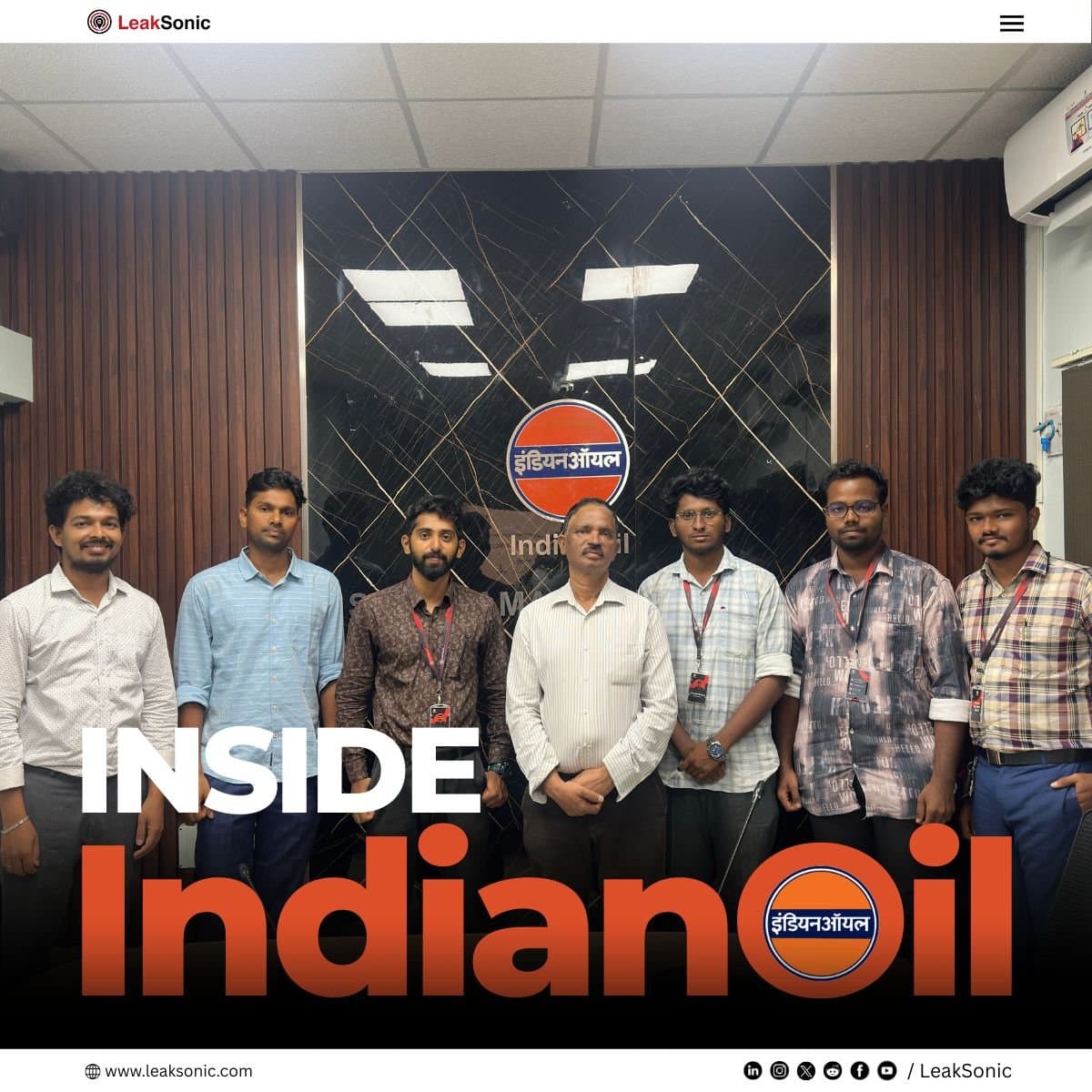
Inside Indian Oil: presenting Sentrix to IOCL Southern Regional Pipeline
LeakSonic's founding team met with Indian Oil Corporation's Southern Regional Pipeline (SRPL) division in Ramanathapuram to present Sentrix, our pipeline integrity intelligence platform - and came away with real engineering validation and a path toward field testing.
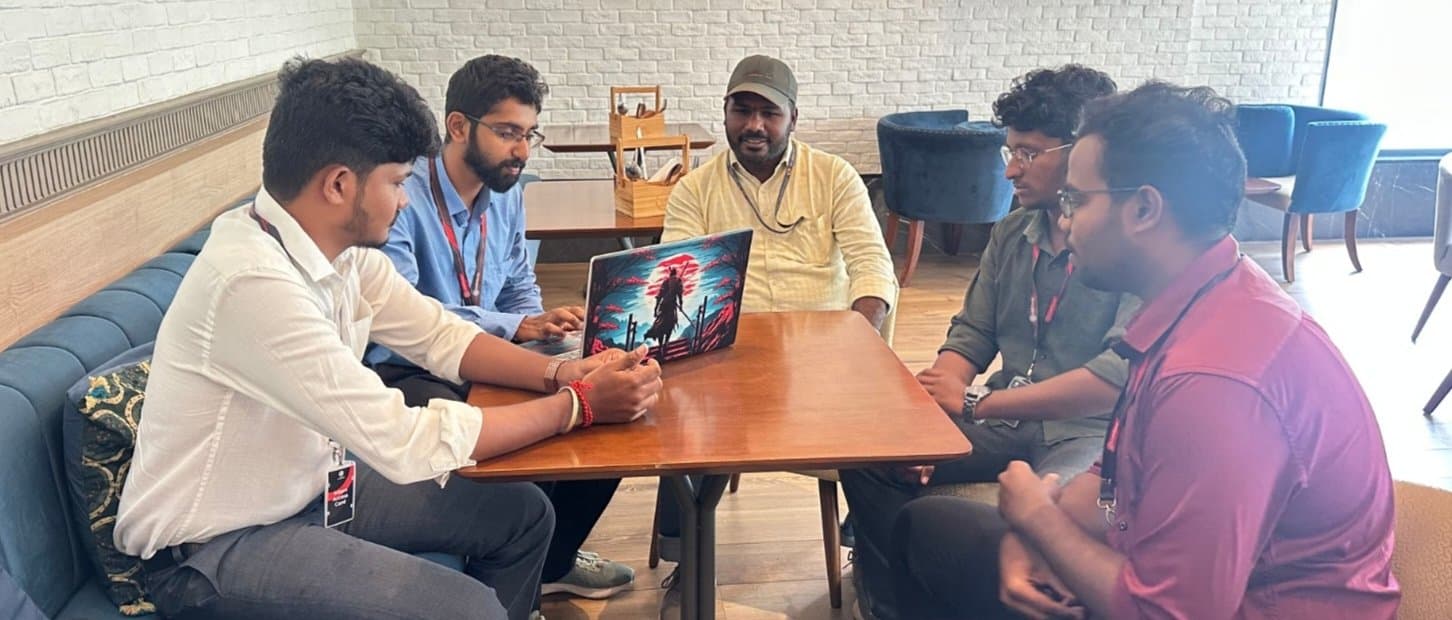
On-site with GAIL: learning pipeline construction at the L&T Bypass
LeakSonic's team visited an active pipeline construction site along the Larsen & Toubro Bypass project, learning directly from GAIL (India) Limited Senior Manager Ashwin Kumar A. about real-world pipeline construction, HDD drilling, and commissioning.
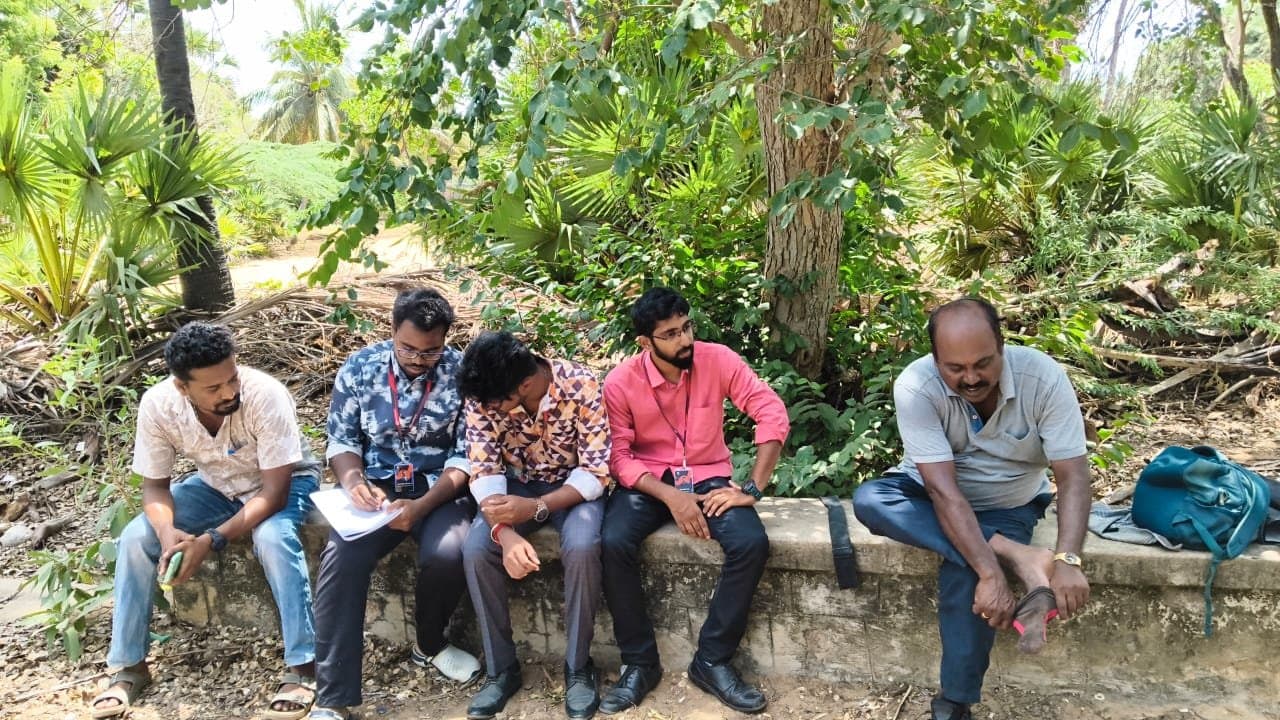
What a Line Security Man actually does on pipeline patrol
Understanding the vital, often-overlooked role of the Line Security Man (LSM) in keeping India's pipeline right-of-way corridors safe, monitored, and connected to local communities - learned firsthand during LeakSonic's field visit with Indian Oil Corporation.