
External corrosion on buried pipelines: causes, warning signs, and controls
External corrosion is the gradual, electrochemical loss of pipe wall metal on the outside surface of a buried pipeline, driven by soil moisture, coating breakdown, and inadequate cathodic protection. It remains one of the most common root causes of pipeline incidents worldwide because it is slow, silent, and concentrated at coating defects that are invisible from the surface until wall loss is already significant.
External corrosion is the gradual, electrochemical loss of pipe wall metal on the outside surface of a buried pipeline. It is one of the most persistent root causes of pipeline incidents in transmission and distribution networks worldwide, precisely because it is slow, invisible from the surface, and concentrated at defects that are easy to miss without deliberate, repeated inspection.
What actually happens at the pipe surface
Buried steel corrodes when moisture and dissolved ions in the soil create an electrochemical cell at a point where the protective coating has failed. At that point, iron atoms leave the metal surface and enter solution as ions - a direct loss of pipe wall thickness. Left unchecked, this process concentrates at the same defect over time, producing localised pitting that can be far more severe than the average corrosion rate across the pipeline would suggest.
Why coating failure and CP gaps compound each other
A single coating holiday, on its own, is usually well within what a properly functioning cathodic protection system can manage - CP current concentrates at the exposed metal and suppresses the corrosion reaction. The risk escalates when multiple factors compound: a large holiday that demands more current than the CP system can deliver at that point on the pipeline, disbonded coating that shields the pipe surface from CP current entirely, or a CP system with a fault (a failed rectifier, a broken bond, stray current interference) that is not delivering adequate protection in the first place. External corrosion incidents are rarely caused by one factor alone - they are almost always the product of a coating defect and a protection shortfall occurring at the same location at the same time.
Surface indicators, and why they are unreliable alone
Active external corrosion sometimes produces subtle surface effects above the pipe - localised vegetation stress from altered soil chemistry, minor ground settlement, or soil discoloration from corrosion byproducts reaching the surface. These signals exist, but they are inconsistent: many active corrosion sites produce no visible surface indication at all, and many visible surface anomalies have nothing to do with corrosion. Surface observation is a useful input into a broader risk picture, not a standalone detection method.
How operators manage external corrosion risk today
The standard toolkit combines periodic cathodic protection surveys, inline inspection (where the pipeline is piggable) to directly measure wall loss, soil corrosivity assessment, and coating condition data, feeding into a risk-ranking model that prioritises where to look next. The structural challenge is that inline inspection is expensive and infrequent, CP surveys sample a small number of fixed points rather than the full corridor continuously, and none of these methods alone gives a complete, current picture of where corrosion risk is actually concentrated right now. That gap between periodic point measurements and a continuously current risk picture is the specific problem multi-signal inspection intelligence is built to close - not by replacing inline inspection or CP surveys, but by fusing available signals to direct them where they matter most.
Related reading
External corrosion sits alongside cathodic protection as one half of a paired defence system, and its risk ranking feeds into broader risk-based inspection programs.
Questions this raises
Last updated: 9 July 2026
LeakSonic Research. "External corrosion on buried pipelines: causes, warning signs, and controls." LeakSonic Private Limited, 2026. https://leaksonic.com/blog/external-corrosion-buried-pipelines
<a href="https://leaksonic.com/blog/external-corrosion-buried-pipelines" target="_blank" rel="noopener">External corrosion on buried pipelines: causes, warning signs, and controls</a> - via LeakSonic
Related reading
View all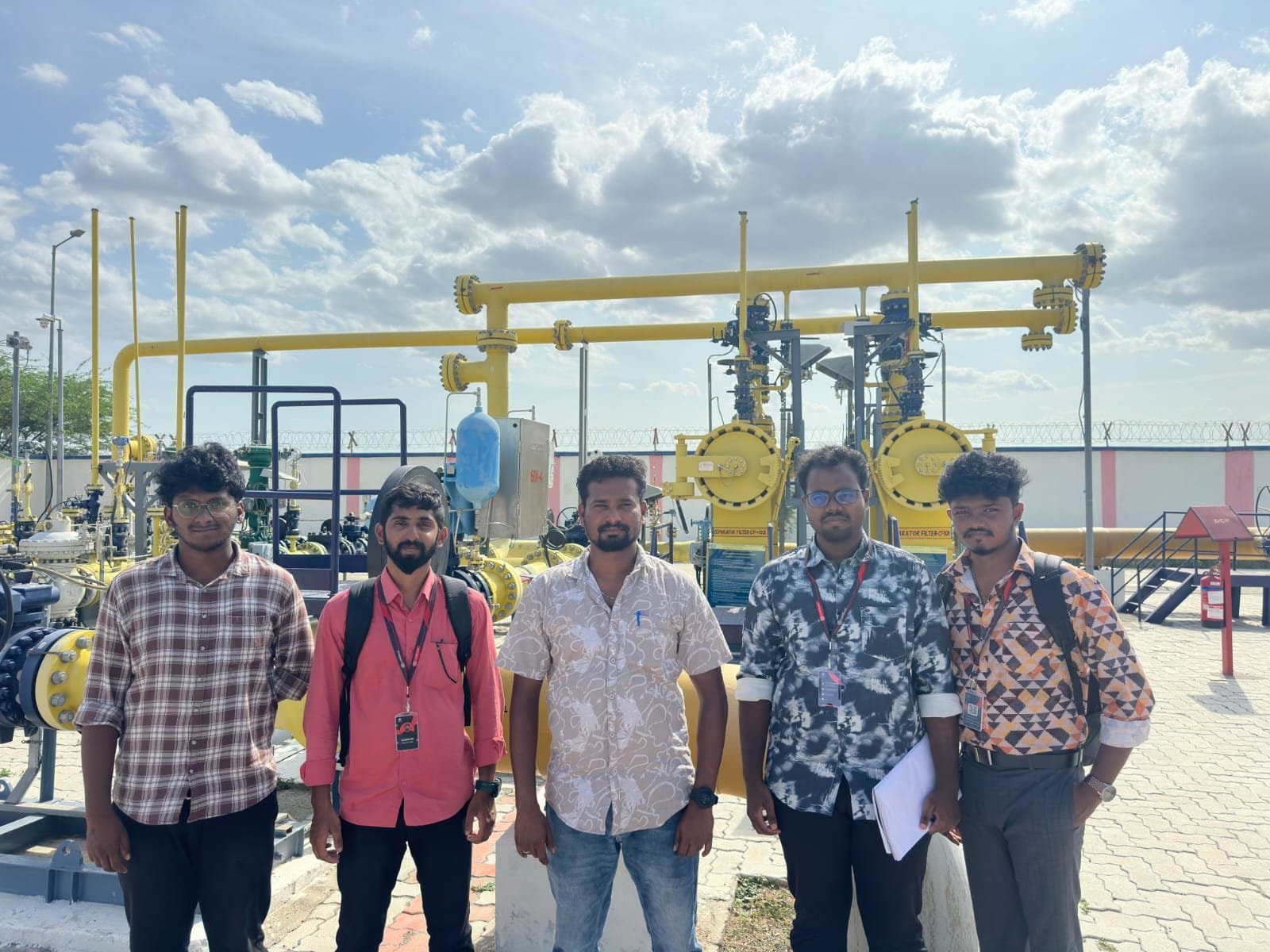
SV and IP stations: the pipeline infrastructure that keeps gas safe
Sectionalizing Valve (SV) stations and Intermediate Pressure Regulation (IP) stations are the unsung infrastructure that keeps gas pipeline networks safe, balanced, and running - seen firsthand during LeakSonic's field visit with Indian Oil Corporation.
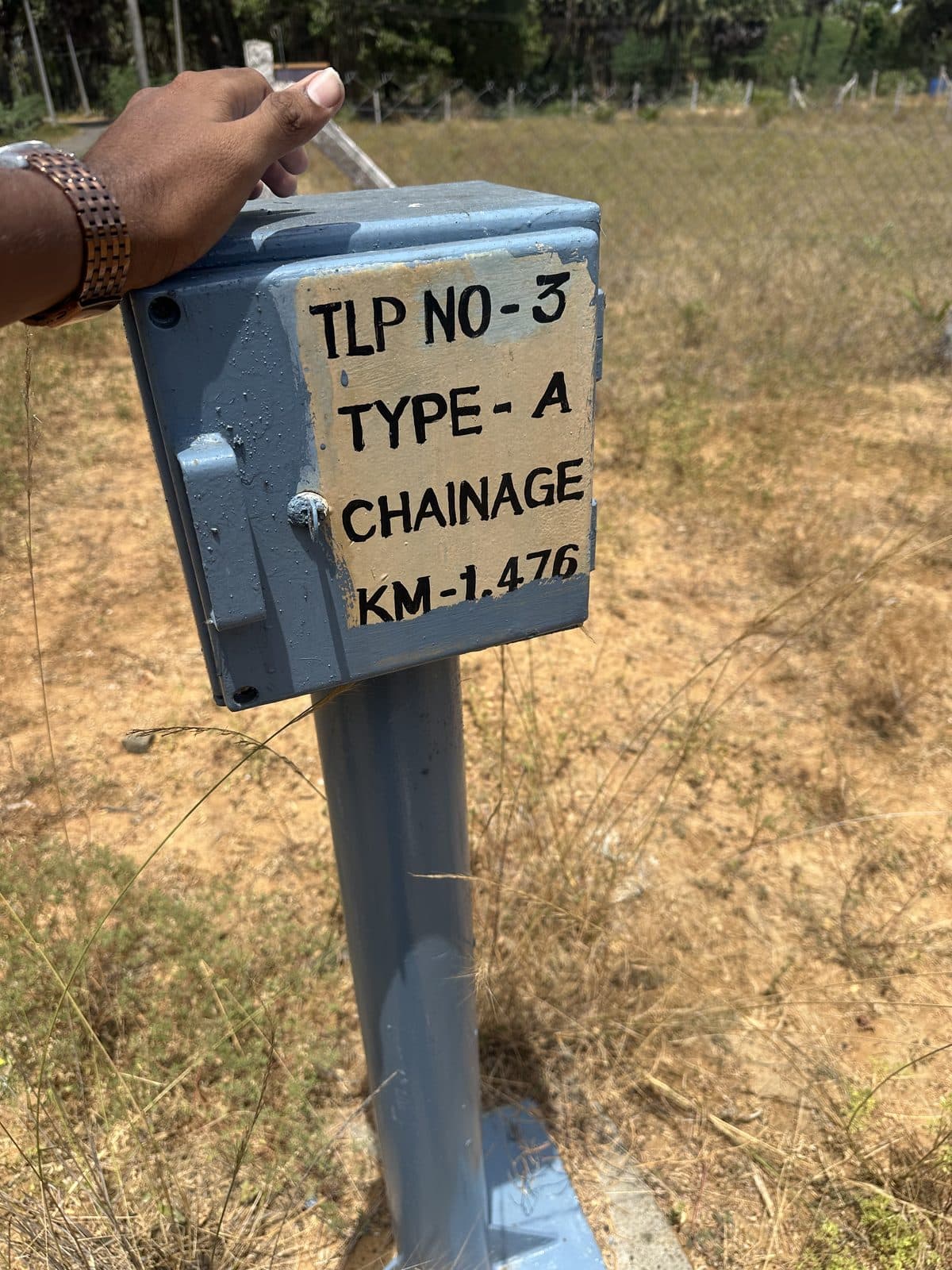
What are cathodic protection test lead points, and why they matter
What are cathodic protection test lead points, and why do they matter? A look at how underground pipelines are protected from corrosion - and monitored - decades after they are buried, seen firsthand during LeakSonic's field visit with Indian Oil Corporation.
Where does your inspection programme sit on the path to measurement-based reporting?
The shift from estimated to measured methane reporting under frameworks like OGMP 2.0 is well underway, but most operators have no quick way to see where their own workflow currently sits on that path. We built a free five-question Integrity & Methane Reporting Readiness Assessment to give a directional answer in under two minutes.