
How India’s City Gas Distribution expansion is reshaping pipeline inspection demand
India’s City Gas Distribution (CGD) network is being built out across 300+ geographical areas authorised through successive PNGRB bidding rounds, adding tens of thousands of kilometres of distribution pipeline over the coming years. That build-out is expanding the length of pipeline that must be inspected far faster than conventional inspection capacity can scale - turning inspection prioritisation from a nicety into a structural necessity.
India’s City Gas Distribution (CGD) sector is in the middle of one of the largest gas-infrastructure build-outs in the world, and it is quietly reshaping what pipeline inspection has to become. Through successive bidding rounds, the Petroleum and Natural Gas Regulatory Board (PNGRB) has authorised CGD networks across more than 300 geographical areas, collectively covering the overwhelming majority of the country's population and geographic area. Turning those authorisations into operating networks means laying tens of thousands of kilometres of distribution pipeline. The consequence for integrity work is direct: the length of pipeline that must be inspected is growing far faster than the capacity to inspect it.
What exactly is being built?
A CGD network is not a single pipe; it is a layered system. High-pressure steel lines feed city gate stations, which step pressure down into medium- and low-pressure distribution mains, which in turn feed service lines to homes, commercial premises, industry, and CNG stations. Each authorised geographical area commits the operator to minimum work programmes - a defined number of domestic connections, CNG stations, and kilometres of pipeline - within set timeframes.
The result is a rapid multiplication of pipeline kilometres, much of it smaller-diameter and running through dense, populated urban corridors. Unlike a long rural transmission line, an urban distribution network packs integrity risk into congested rights-of-way where third-party excavation damage, encroachment, and ground disturbance are constant threats. The monitoring problem is not just bigger; it is denser and more complex.
Why does inspection demand grow faster than the network?
Here is the structural point that is easy to miss: inspection burden scales with pipeline length and network complexity, not with the volume of gas delivered. Doubling throughput on an existing line adds little inspection work; doubling network length roughly doubles it. CGD expansion is overwhelmingly the second kind of growth - more kilometres, more connections, more rights-of-way to watch.
Meanwhile, the resources that do the inspecting scale slowly. The pool of trained pipeline-integrity engineers, the availability of inline inspection tools suited to distribution-scale pipe, and the throughput of manual imagery review all grow at the pace of training and capital investment, not at the pace of pipeline laying. The gap between kilometres-to-inspect and capacity-to-inspect is therefore widening year over year. That gap is the structural driver behind everything that follows.
How is the regulatory backdrop intensifying the pressure?
Two regulatory currents are compounding the physical build-out. The first is PNGRB's role in setting integrity-management and reporting standards for gas networks; as the sector scales, so does the volume of compliant integrity reporting operators must produce and maintain. The second is the global shift toward measurement-based methane accounting. Frameworks such as the UN Environment Programme's Oil & Gas Methane Partnership 2.0 (OGMP 2.0) are moving the industry standard from estimated emissions toward source-level, measured quantification.
For a CGD operator, these currents meet at an uncomfortable point: more pipeline to inspect, higher expectations for documented integrity, and rising scrutiny of methane emissions - all at once, and all faster than headcount can grow. The reporting burden alone, if handled by manual transcription of field findings into compliant records, becomes a serious operational drag.
What does this mean for how inspection has to change?
When the length of pipeline outpaces the capacity to inspect it, walking every line uniformly stops being viable. The only sustainable response is sharper prioritisation: aiming scarce inspection effort at the segments that genuinely carry the most risk, rather than spreading it thinly across the whole network out of caution. This is the shift from inspection-as-coverage to inspection-as-triage.
That shift raises the value of anything that improves the planning phase of an inspection cycle - the data-driven ranking of which segments to examine first, and the automatic generation of compliant records so that engineering time goes to judgement rather than transcription. India's CGD expansion is not just creating more inspection work; it is changing the kind of inspection work that is worth doing, tilting it decisively toward prioritisation and evidence.
The bottom line
India's gas-distribution build-out is a demand shock for pipeline inspection that will play out over years, not months. The networks are being laid faster than they can be conventionally inspected, in denser and more consequential settings, under a tightening regulatory regime. Whichever operators adapt their integrity workflow toward risk-based prioritisation and compliance-native reporting first will absorb that shock most cheaply - and that adaptation, not any single sensor, is the real story of what CGD expansion is doing to inspection.
Questions this raises
Last updated: 30 June 2026
LeakSonic Research. "How India’s City Gas Distribution expansion is reshaping pipeline inspection demand." LeakSonic Private Limited, 2026. https://leaksonic.com/blog/india-cgd-expansion-pipeline-inspection-demand
<a href="https://leaksonic.com/blog/india-cgd-expansion-pipeline-inspection-demand" target="_blank" rel="noopener">How India’s City Gas Distribution expansion is reshaping pipeline inspection demand</a> - via LeakSonic
Related reading
View all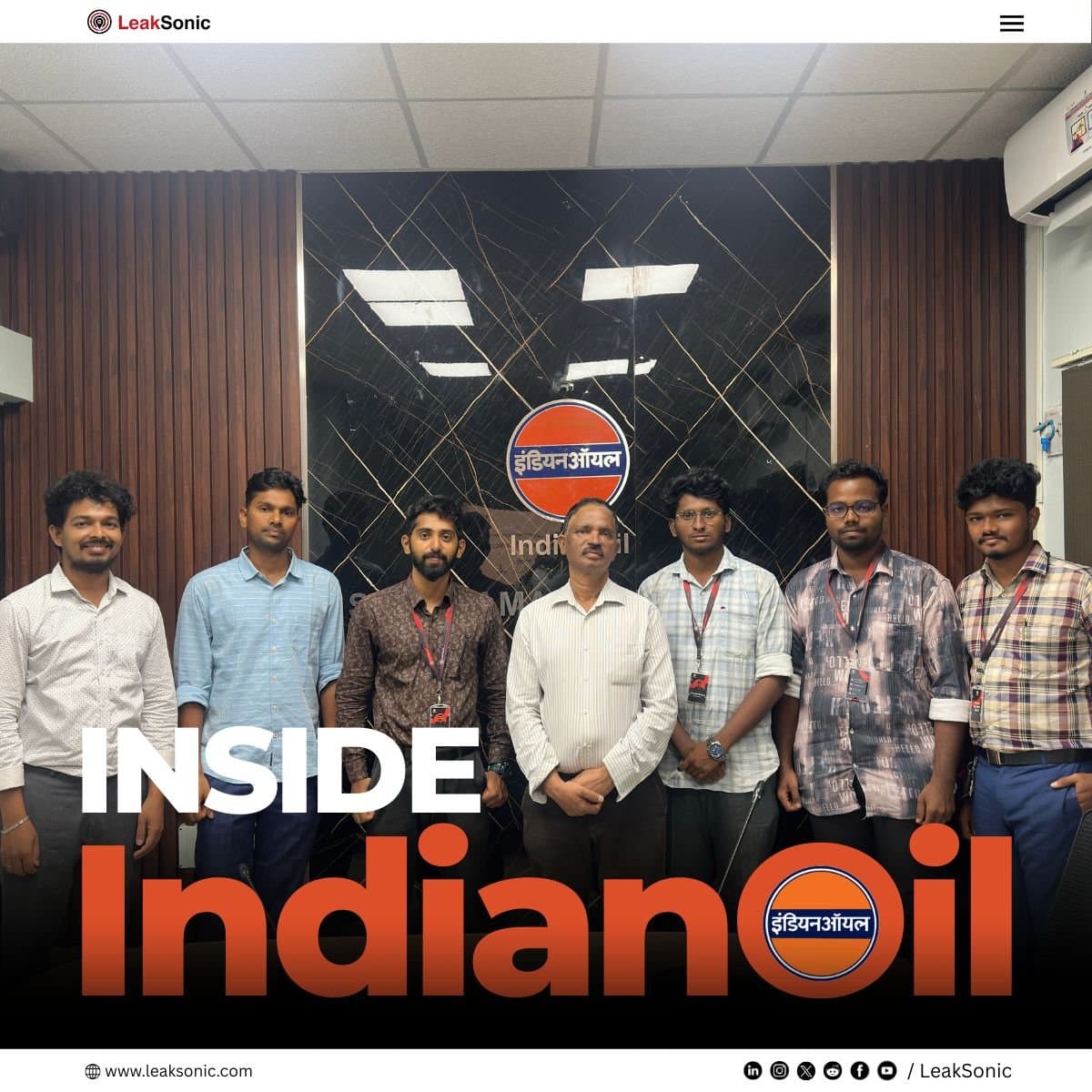
Inside Indian Oil: presenting Sentrix to IOCL Southern Regional Pipeline
LeakSonic's founding team met with Indian Oil Corporation's Southern Regional Pipeline (SRPL) division in Ramanathapuram to present Sentrix, our pipeline integrity intelligence platform - and came away with real engineering validation and a path toward field testing.
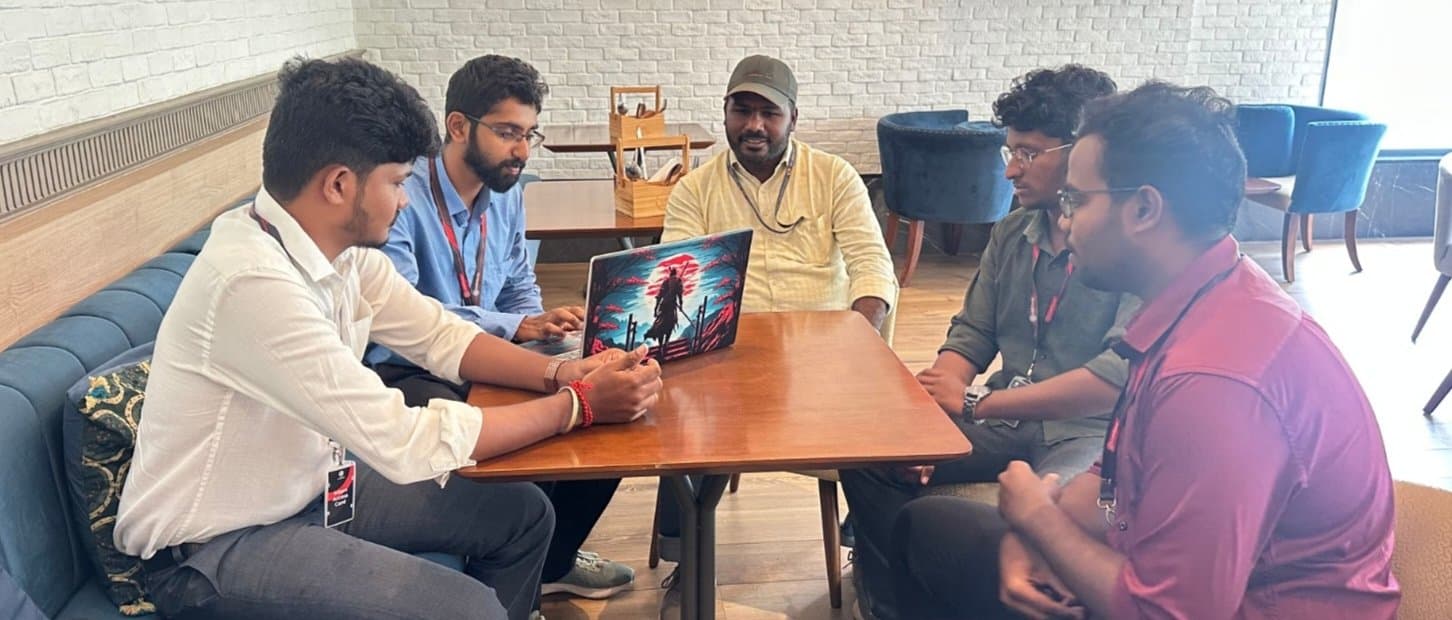
On-site with GAIL: learning pipeline construction at the L&T Bypass
LeakSonic's team visited an active pipeline construction site along the Larsen & Toubro Bypass project, learning directly from GAIL (India) Limited Senior Manager Ashwin Kumar A. about real-world pipeline construction, HDD drilling, and commissioning.
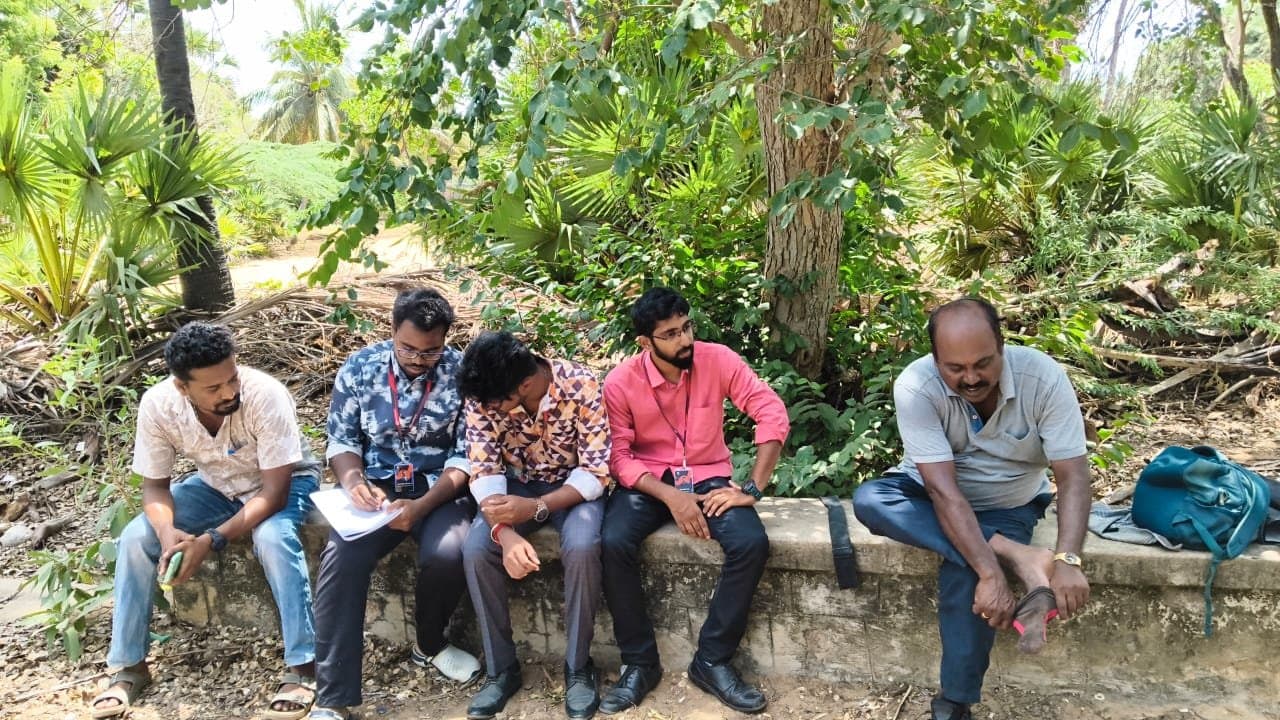
What a Line Security Man actually does on pipeline patrol
Understanding the vital, often-overlooked role of the Line Security Man (LSM) in keeping India's pipeline right-of-way corridors safe, monitored, and connected to local communities - learned firsthand during LeakSonic's field visit with Indian Oil Corporation.