
Where pipeline inspection is heading: from periodic checks to continuous risk awareness
The clearest long-term trend across pipeline integrity technology is a shift from periodic, point-in-time inspection toward continuous or near-continuous risk awareness - driven by cheaper and more frequent satellite revisit, expanding aerial inspection capability, and data fusion methods that can turn multiple imperfect, frequent signals into a reliable, current risk picture rather than relying on infrequent but precise single-method snapshots.
Pipeline integrity technology has a clear long-term trajectory, visible across inspection methods, regulatory framing, and vendor capability development alike: a shift from periodic, point-in-time inspection toward continuous or near-continuous risk awareness. Understanding this trend - and its real limits - matters for any operator planning inspection technology investment over the coming years.
From snapshots to a continuous picture
Historically, pipeline integrity data has arrived as discrete snapshots: an annual CP survey, an inline inspection run every several years, a right-of-way patrol on a fixed cycle. Each snapshot is a genuine measurement at that moment, but between snapshots, the pipeline's actual condition is effectively unobserved - inferred, not measured. The clear direction of travel across the industry is toward closing that gap: not necessarily continuous in the literal sense of constant real-time measurement everywhere, but frequent enough, and current enough, that the interval between observations is short relative to how fast the threats being tracked can realistically progress.
What is actually driving this shift
Three converging trends make continuous risk awareness practically achievable now in a way it was not a decade ago. Satellite constellations have meaningfully shortened revisit times, making frequent imagery of a given corridor genuinely available rather than a theoretical capability. Aerial inspection - including drone-based methods - has become substantially more cost-effective and operationally simpler, lowering the barrier to more frequent flights over a given corridor. And data fusion methods have matured to the point where multiple individually imperfect, frequent signals can be combined into a risk assessment more reliable than any single source alone, directly addressing the false-positive problem that limited the practical usefulness of earlier attempts at frequent, automated monitoring.
Inline inspection is not being replaced - it is being better targeted
A common misreading of this trend is that continuous surface and aerial monitoring will eventually replace inline inspection. It will not, because the two methods observe fundamentally different things - internal wall condition versus above-ground and corridor conditions - as detailed in our comparison of inline vs. aerial inspection. The realistic and already-emerging pattern is integration: continuous or frequent surface-level risk signals narrowing down which segments most urgently warrant the next inline inspection run or direct assessment excavation, making finite ILI and direct-assessment budgets more precisely targeted rather than spread evenly or scheduled purely by calendar interval.
The same shift toward continuous observation is playing out on the buried, electrochemical side of integrity management too - it's the premise behind Corvex, an early-stage concept we're exploring for continuous cathodic-protection monitoring, alongside our main work on Sentrix.
The real risk: data volume without prioritisation
More frequent data collection is not automatically an improvement. Data that accumulates without an effective triage and prioritisation layer can create alert fatigue and review backlog that actively works against faster response, rather than improving it - a risk assessment team drowning in unprioritised flagged findings is not meaningfully better off than one working from infrequent but curated reports. This is why the practical value of continuous monitoring depends as much on prioritisation and evidence-based ranking as it does on raw data frequency; frequency without effective triage just moves the bottleneck rather than removing it.
Where trained engineers fit into this future
As raw data volume and frequency increase, the constraint shifts from data collection toward review and decision-making capacity - which increases, rather than diminishes, the value of an integrity engineer's time. The realistic and desirable outcome of this trend is not fewer engineers making decisions, but engineers spending materially less time manually searching for signal across disconnected, infrequent data sources, and materially more time exercising judgement on pre-prioritised, evidence-linked findings that a fusion system has already surfaced and ranked.
Related reading
This trajectory connects directly to the data blind spots most programs currently carry, and to why reducing false positive rate, not just increasing data volume, is the real precondition for continuous monitoring to work in practice.
Questions this raises
Last updated: 9 July 2026
LeakSonic Research. "Where pipeline inspection is heading: from periodic checks to continuous risk awareness." LeakSonic Private Limited, 2026. https://leaksonic.com/blog/future-of-pipeline-inspection-2030
<a href="https://leaksonic.com/blog/future-of-pipeline-inspection-2030" target="_blank" rel="noopener">Where pipeline inspection is heading: from periodic checks to continuous risk awareness</a> - via LeakSonic
Related reading
View all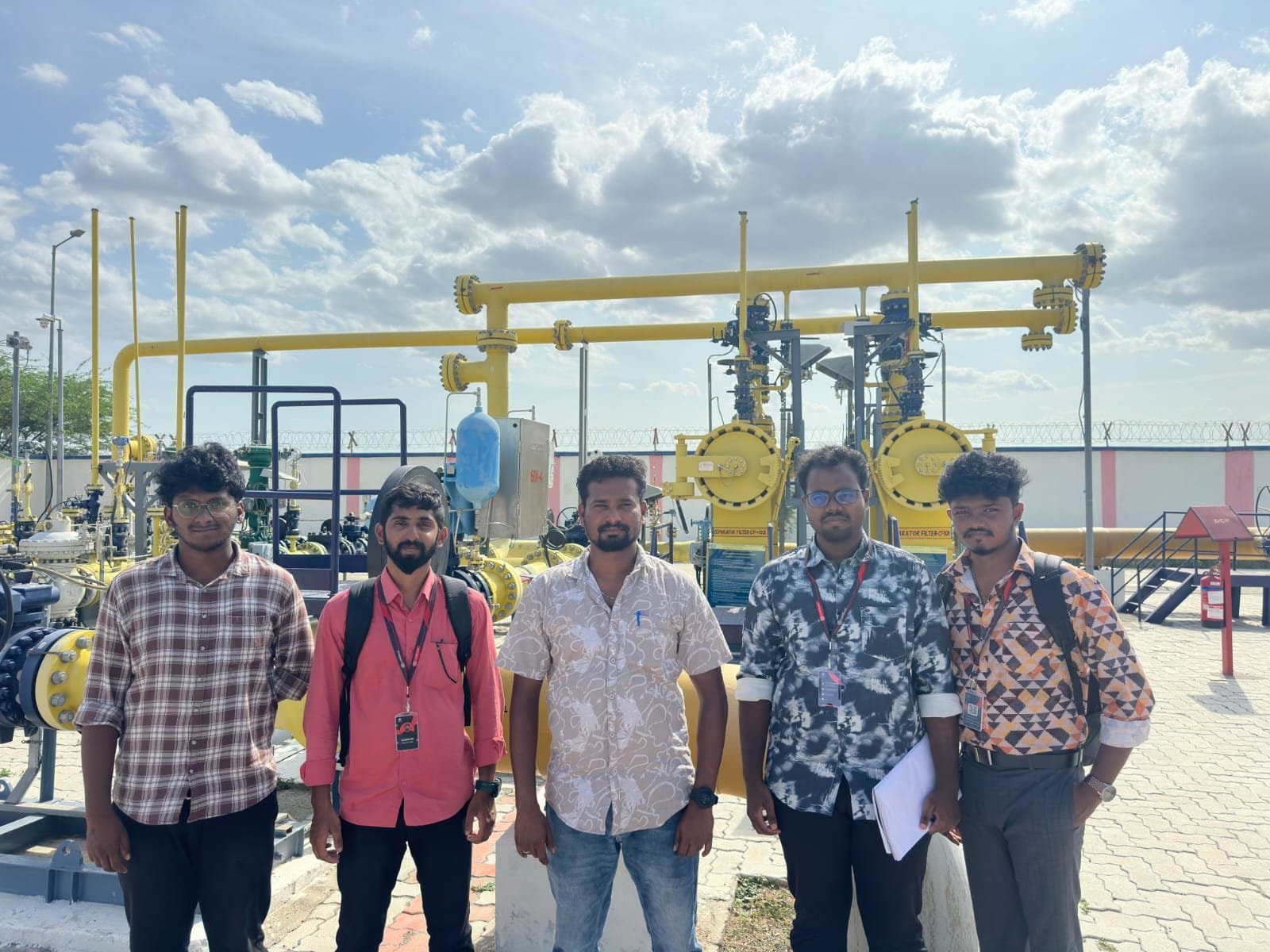
SV and IP stations: the pipeline infrastructure that keeps gas safe
Sectionalizing Valve (SV) stations and Intermediate Pressure Regulation (IP) stations are the unsung infrastructure that keeps gas pipeline networks safe, balanced, and running - seen firsthand during LeakSonic's field visit with Indian Oil Corporation.
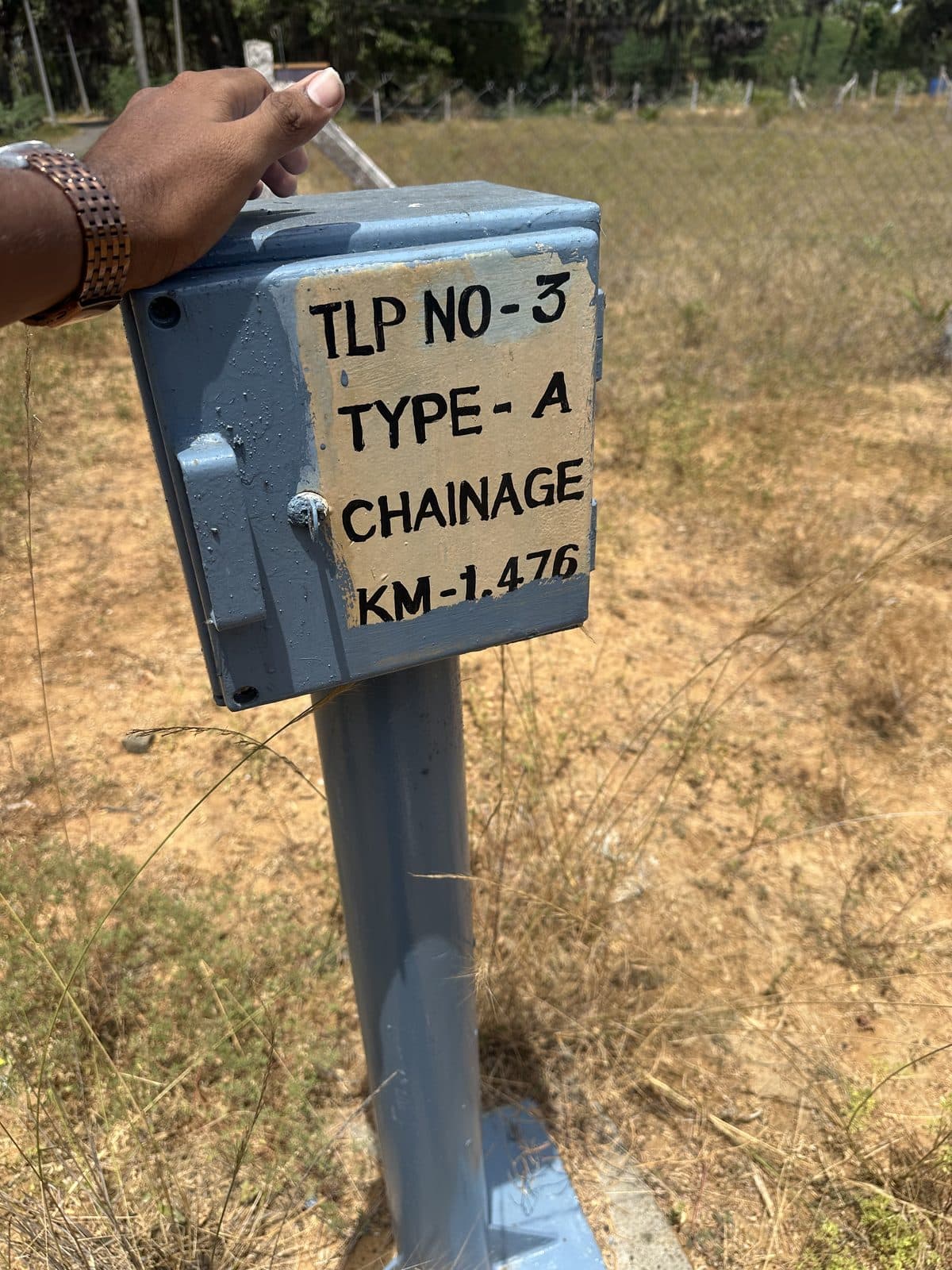
What are cathodic protection test lead points, and why they matter
What are cathodic protection test lead points, and why do they matter? A look at how underground pipelines are protected from corrosion - and monitored - decades after they are buried, seen firsthand during LeakSonic's field visit with Indian Oil Corporation.
Where does your inspection programme sit on the path to measurement-based reporting?
The shift from estimated to measured methane reporting under frameworks like OGMP 2.0 is well underway, but most operators have no quick way to see where their own workflow currently sits on that path. We built a free five-question Integrity & Methane Reporting Readiness Assessment to give a directional answer in under two minutes.