
Corrosion under insulation (CUI): why insulated pipe is a blind spot for standard inspection
Corrosion under insulation (CUI) occurs beneath thermal insulation on above-ground piping and equipment, where moisture becomes trapped against the pipe surface and corrosion progresses hidden from direct view. It is considered one of the highest-consequence, hardest-to-detect corrosion mechanisms in the oil and gas industry precisely because the insulation that causes the problem also conceals it from routine visual inspection.
What is corrosion under insulation (CUI)?
Corrosion under insulation is metal loss that occurs when moisture becomes trapped between a pipe or vessel's surface and its external insulation jacket. It is difficult to detect because the insulation cladding can look fully intact while the steel underneath corrodes for years, undetected - which is why it is widely regarded as one of the highest-consequence, hardest-to-find corrosion mechanisms in above-ground oil and gas piping.
Corrosion under insulation, commonly abbreviated CUI, occupies a distinctive place among pipeline and piping integrity threats: it is both a genuinely severe corrosion mechanism and one of the hardest to detect, because the same insulation system that creates the conditions for corrosion also conceals it from direct view.
How CUI develops
Thermal insulation on above-ground piping is typically covered by a weatherproof jacketing system designed to keep moisture out. When that jacketing is breached - by weather exposure, mechanical damage, poor installation, or degradation over time - or when moisture enters through insulation penetrations, seams, or condensation from temperature differentials, water becomes trapped between the insulation and the pipe surface. Unlike bare pipe exposed to open air, where moisture can evaporate, insulation actively holds that moisture against the metal surface, creating a persistent wet environment that is ideal for corrosion to proceed.
Why the temperature range matters
CUI risk is not uniform across all operating temperatures. A commonly cited elevated-risk range sits roughly between the point where water still condenses or persists in liquid form and a temperature high enough to keep any trapped moisture evaporated. Piping operating continuously at very high temperatures tends to stay dry beneath insulation; piping operating well below ambient can experience condensation-driven moisture ingress. It is the intermediate range - warm enough to accelerate corrosion kinetics once moisture is present, not hot enough to prevent that moisture existing in the first place - that is associated with the highest documented CUI incidence.
The core problem: insulation blocks the inspection it necessitates
The fundamental challenge with CUI is structural: the insulation exists for a legitimate operational reason (thermal management), but it simultaneously prevents the routine visual inspection that would normally catch external corrosion early. An inspector walking a corridor of bare pipe can visually assess coating and surface condition directly; the same inspector walking past insulated piping can observe only the jacketing exterior, which may look entirely intact while active corrosion proceeds on the pipe surface underneath. This is why CUI is frequently discovered only during major turnarounds, insulation removal for unrelated maintenance, or after a failure - all of which represent detection far later than would be ideal.
Detection without full insulation removal
Because removing insulation from an entire network to inspect for CUI is rarely practical or economic, operators rely on a combination of risk-based targeting and non-intrusive inspection technology. Risk models incorporate the factors known to correlate with CUI - operating temperature range, jacketing condition and age, geographic exposure to weather, and known problem areas such as penetrations and low points - to prioritise where insulation removal or non-intrusive assessment is actually worth the cost. Non-intrusive technologies, including pulsed eddy current testing and certain thermographic methods, can provide some assessment of wall condition through insulation without full removal, though typically with less precision than direct visual or ultrasonic inspection of bare metal.
| CUI risk factor | Why it matters | What it usually means for prioritisation |
|---|---|---|
| Operating temperature range | The intermediate band (warm enough for corrosion kinetics, not hot enough to keep moisture evaporated) sees the highest documented incidence | Segments in this range are ranked above continuously very-hot or very-cold piping |
| Jacketing age and condition | Breached or poorly sealed jacketing is the primary moisture-ingress pathway | Older or visibly damaged jacketing raises priority even without a known leak |
| Geographic weather exposure | Rainfall, humidity, and thermal cycling accelerate moisture ingress and trapping | Exposed, unsheltered runs rank above indoor or covered piping |
| Location type | Penetrations, seams, terminations, and low points concentrate trapped moisture | These specific point locations are targeted before uniform stretches |
Nothing in that table replaces direct inspection - it is a targeting tool, not a substitute for finding actual wall loss.
Why risk-ranking accuracy is the real lever
Given that full inspection of every insulated location is rarely feasible, the practical determinant of how much real CUI risk a given inspection program actually catches is the accuracy of its risk-ranking model - how well it identifies which specific locations are most likely to have significant CUI before committing to the cost of insulation removal or non-intrusive assessment there. A risk model built on generic assumptions rather than location-specific data (actual jacketing condition, actual moisture exposure history, actual operating temperature at that point) will systematically miss real risk at some locations while wasting inspection budget at others.
Related reading
CUI is a specific instance of the broader theme covered in why pipeline failures still happen: detection windows and inspection coverage, not an absence of known methods, determine whether a developing threat is caught in time. For how operators decide where to spend limited inspection budget across CUI and every other threat type, see risk-based inspection; for the coating-condition assessment methods referenced above, see pipeline coating inspection methods.
Questions this raises
Last updated: 26 July 2026
LeakSonic Research. "Corrosion under insulation (CUI): why insulated pipe is a blind spot for standard inspection." LeakSonic Private Limited, 2026. https://leaksonic.com/blog/corrosion-under-insulation-explained
<a href="https://leaksonic.com/blog/corrosion-under-insulation-explained" target="_blank" rel="noopener">Corrosion under insulation (CUI): why insulated pipe is a blind spot for standard inspection</a> - via LeakSonic
Related reading
View all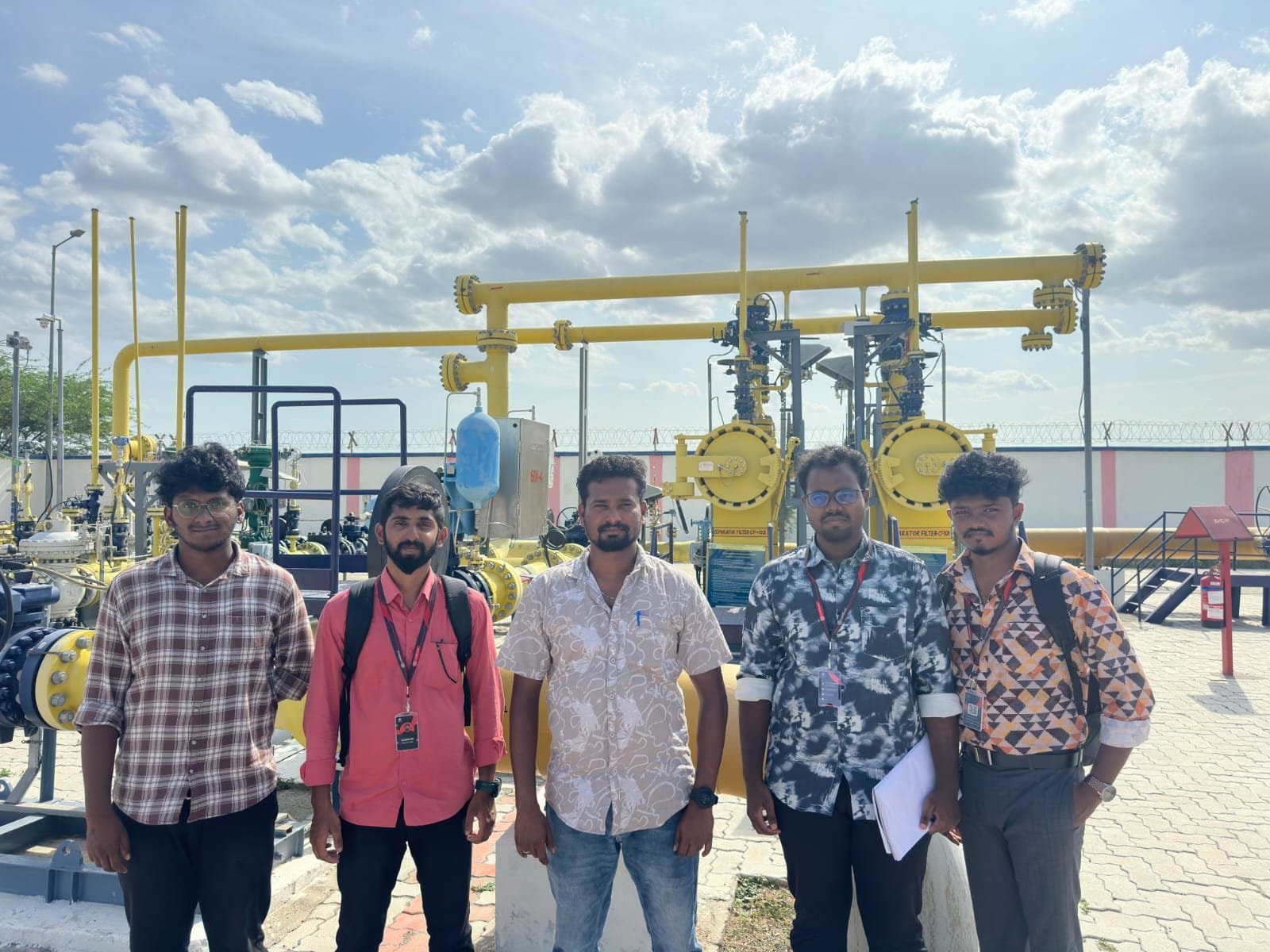
SV and IP stations: the pipeline infrastructure that keeps gas safe
Sectionalizing Valve (SV) stations and Intermediate Pressure Regulation (IP) stations are the unsung infrastructure that keeps gas pipeline networks safe, balanced, and running - seen firsthand during LeakSonic's field visit with Indian Oil Corporation.
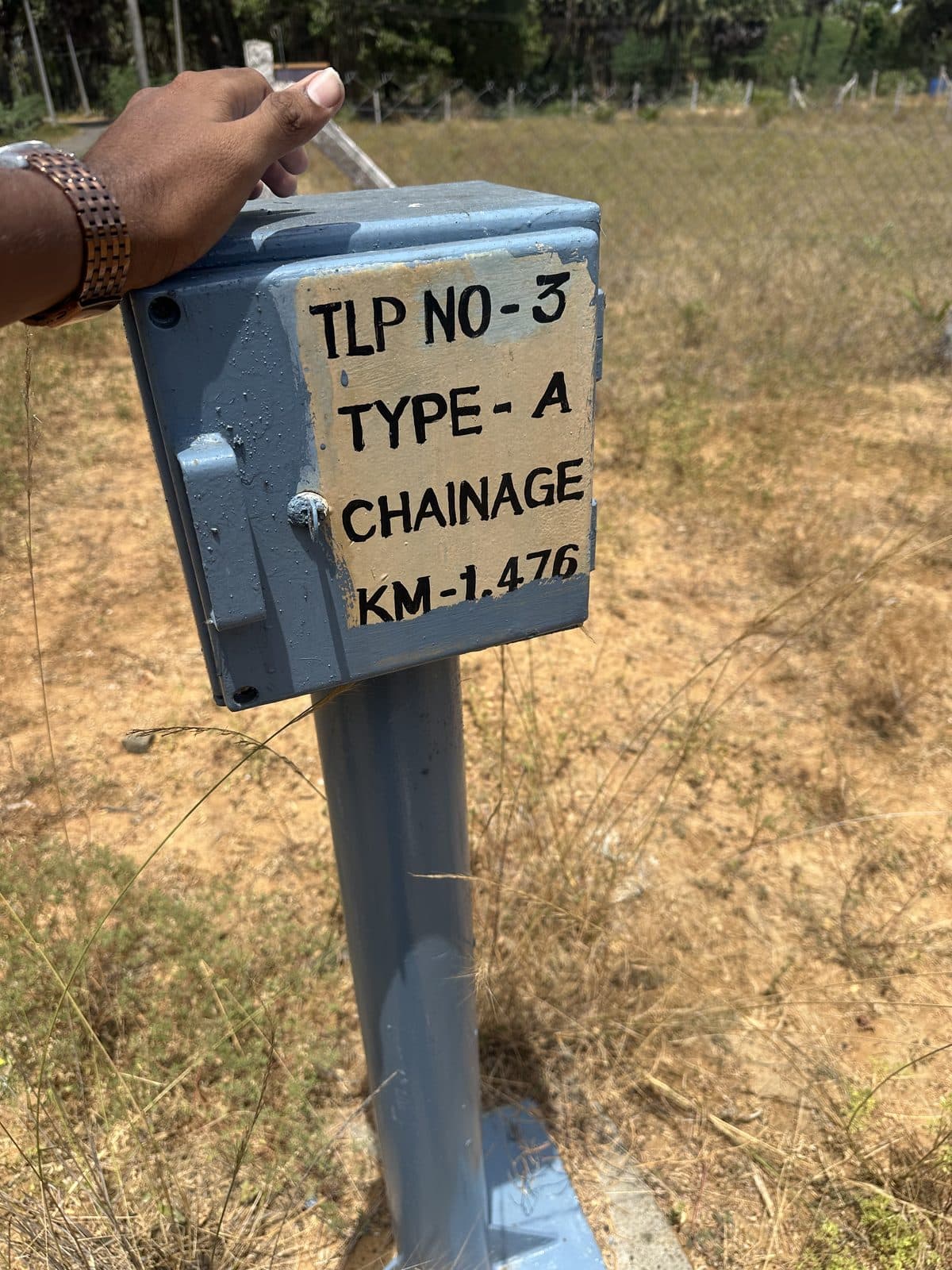
What are cathodic protection test lead points, and why they matter
What are cathodic protection test lead points, and why do they matter? A look at how underground pipelines are protected from corrosion - and monitored - decades after they are buried, seen firsthand during LeakSonic's field visit with Indian Oil Corporation.
Where does your inspection programme sit on the path to measurement-based reporting?
The shift from estimated to measured methane reporting under frameworks like OGMP 2.0 is well underway, but most operators have no quick way to see where their own workflow currently sits on that path. We built a free five-question Integrity & Methane Reporting Readiness Assessment to give a directional answer in under two minutes.